
A Winner Gives Us a Result. An Example Gives Us a Possibility.
EDITORIAL COLUMN
This is a reflection on the words spoken to Team Bhutan ahead of the 11th Asian Games, and on what it truly means to represent a nation when there are young eyes watching, dreaming and believing.
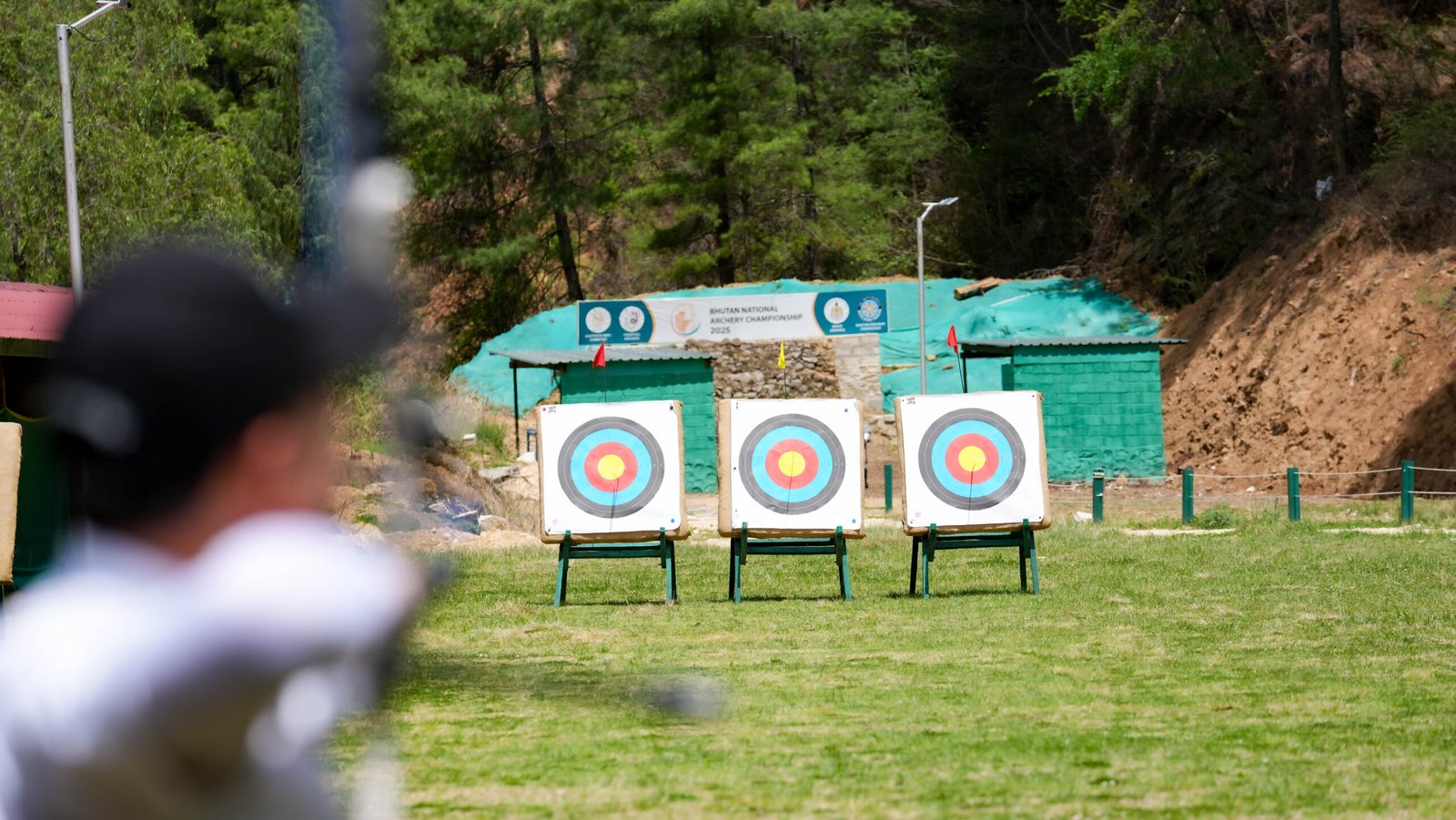
Somewhere tonight, a child is sitting closer to the television than they probably should, watching an athlete step out in national colours.
They may not know the technique. They cannot see the years behind it, including the early mornings, the setbacks, and the quiet discipline that never makes it onto a screen. All they know is that the person standing there speaks the way people speak back home, and right now, that person is standing among the best in the world.
For a moment, without quite meaning to, that child thinks: maybe that could be me. The thought passes quickly. It may be forgotten by morning. And yet it may also be one of the most important thoughts that child has all year, the quiet beginning of a dream that has not yet found its shape.This is the part of sport that never appears in a result sheet, and it is worth pausing on.
Ahead of Bhutan’s 11th Asian Games appearance, His Royal Highness Prince Jigyel Ugyen Wangchuck, President of the Bhutan Olympic Committee, granted an audience to the athletes and coaches of Team Bhutan, describing them as the best-prepared team the country has sent to date. It was a moment of recognition for years of work rarely seen by anyone outside the training hall. But one part of what His Royal Highness said was not simply praise. It was something closer to a calling.
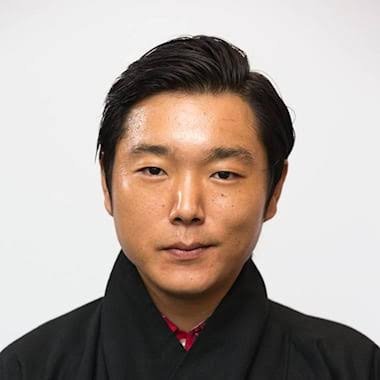
Anybody who picks up a bow has to look up to you, anyone who puts on a pair of boxing gloves has to aspire to be you, and any child who laces up their running shoes on the track must be inspired by you.
His Royal Highness Prince Jigyel Ugyen Wangchuck
Read once, it sounds like encouragement. Read again, and it reveals something more enduring: that the responsibility of a national athlete extends beyond the field of play. It reaches into homes, classrooms, and quiet evenings in front of a television, into places these athletes will never see, shaping people they will never meet.
That is not a small thing to carry. And it is not true only in archery, or only at the Asian Games. It is true of every athlete, in every sport, wherever a young person happens to be watching closely enough to be changed by what they see.
We are taught, quite naturally, to measure sport by its outcomes, measured by who finishes first and whose name appears at the top of the list. But a child rarely watches that way. A child watches a person, and the question that follows has nothing to do with rankings. It asks only whether such a thing is possible. That question can sit quietly for years before it finds its answer.
Consider the athletes who came before the ones competing today, in every discipline, from every corner of the world. Many of their names have already faded from memory, their results filed away in records few people revisit. And yet, somewhere, an athlete training right now can very likely trace the beginning of their own journey back to one such afternoon, watching someone do something that looked, just for a moment, impossible. The result is often forgotten. What it inspired rarely is.
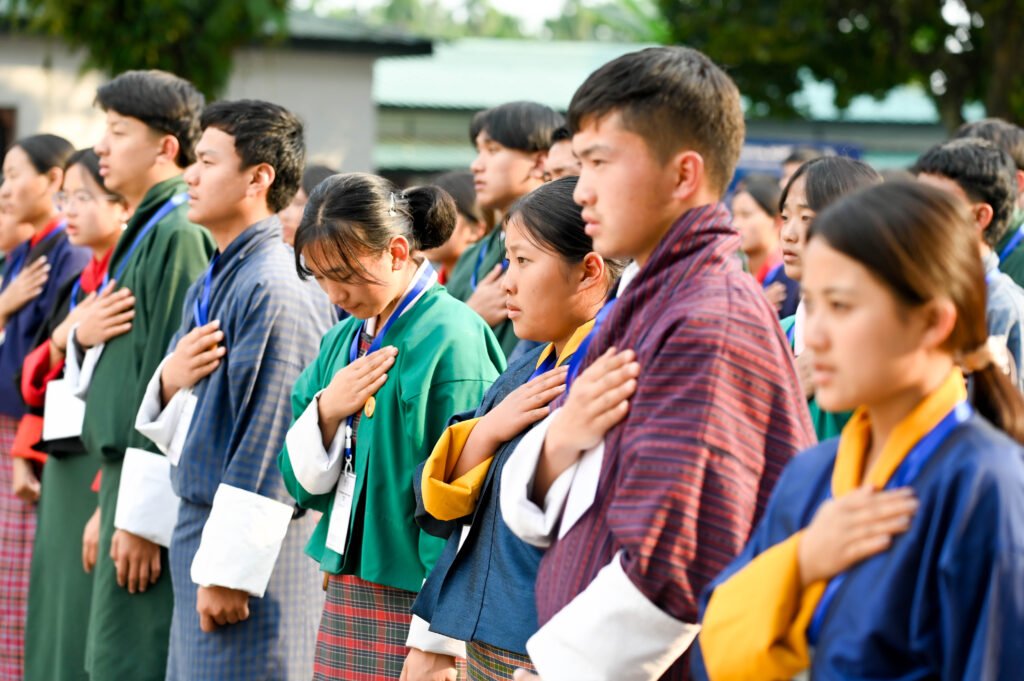
Bhutan does not send athletes into international competition from behind a wall of resources or depth. Very often, the person representing the country in a discipline is the only one their town, their school, or their sport has ever sent this far. There is no long line of others sharing that weight. They carry it themselves, alongside everything else already asked of them.
Perhaps that is precisely why it matters as much as it does. A child does not need a great many examples to find one worth following. Sometimes a country can offer only a few, and even one may be enough to shape a life not yet lived. The athlete competing today stands on ground made slightly more familiar by someone who walked it years earlier, largely unnoticed. And the child watching tonight may, one day, stand exactly where that athlete stands now, for reasons they may never fully be able to explain.
This is how a sporting culture is truly built. Not only in four-year cycles, and not only through medals, but through these quiet, unrecorded handoffs, passed from one person’s effort into another person’s imagination.
None of this asks an athlete to win every time. No one honestly could. What sport does ask, and what may matter even more, is smaller and often harder to deliver: to be watched, and to be worthy of being watched, particularly on the days that do not go as hoped. To accept defeat with composure. To shake an opponent’s hand and mean it. To walk away from a loss with dignity intact, rather than let it define the moment that follows.
These are not the details captured in a results table. Yet they are very often what a young person remembers longest, because a child does not need to see only champions. A child needs to see people who continue, regardless of outcome. That quiet perseverance may be the truest form of inspiration any athlete can offer.
There is something almost humbling about being an example: an athlete rarely learns when they have become one. A performance broadcast for only a few seconds may, without their knowledge, alter the course of someone else’s life entirely. That influence is given freely and often invisibly, with no way of measuring where it lands or whom it reaches.
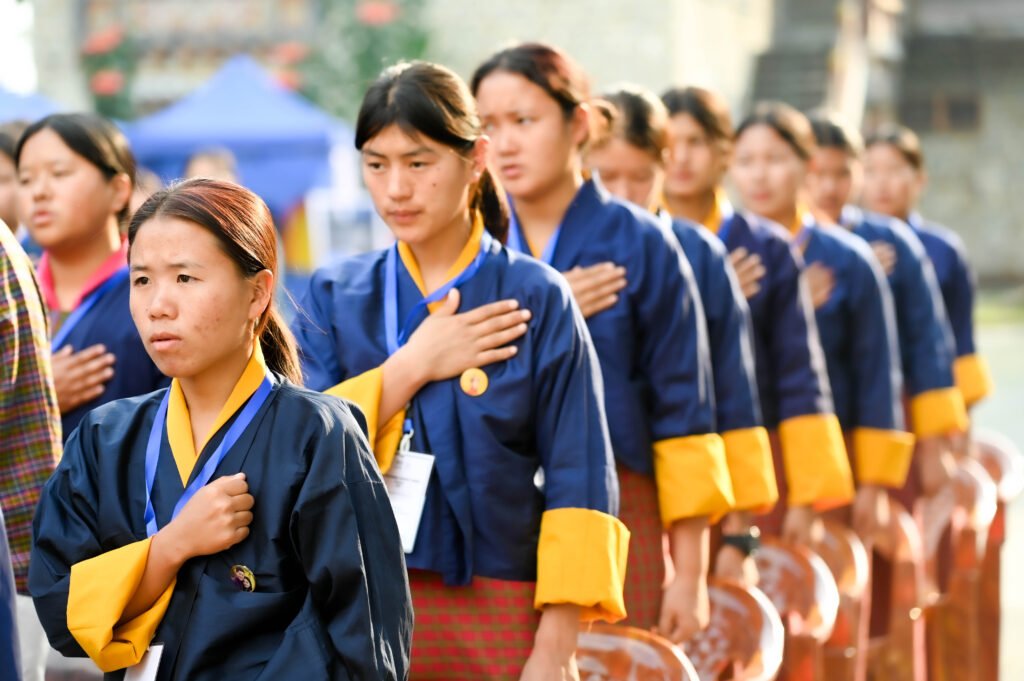
Every Games eventually comes to an end, as they always do. Results are recorded, and athletes return home to continue their journeys, whatever the outcome. But somewhere, long after the closing ceremony, a child who once sat too close to a television may lace up a pair of shoes, or pick up a bow, or step onto a track of their own, carrying forward something they may not even remember the origin of.
They may never know exactly where that spark came from. We may never know that it was us.
That, in many ways, is what His Royal Highness asked of Team Bhutan on the eve of these Games, and what every athlete who represents this country, in any sport, quietly carries forward on behalf of someone they may never meet. A winner gives us a result. An example gives us a possibility. And more often than we realise, that possibility becomes the most enduring achievement of all.