
Aichi Nagoya 2026
Exclusive Interview Pema Tenzin on
Bhutan’s Archery Journey
|
Inside Bhutan’s road to Nagoya
The range holds still before the release. Everything tightens into a single point, breath, grip, focus, alignment. The arrow leaves the string, and nothing can change what follows. For Bhutan’s archers, this is the moment they are learning to master.
As the Aichi Nagoya 2026 Asian Games draw closer, Bhutan’s archery team is preparing without noise or big declarations. The work is deliberate, consistent, and measured. Pema Tenzin, General Secretary of the Bhutan Archery Federation, keeps his message direct.
“Yes, we have confirmed our participation in both recurve and compound categories. Right now, the focus is simple. Prepare well and give our best.”
Archery in Bhutan carries deep cultural meaning, but international competition demands a different standard altogether. Precision replaces tradition, and repetition replaces familiarity. The transition has not been easy.
There is a strong perception among Bhutanese that, despite archery being our national sport, we have not performed well internationally. One of the key reasons is the misalignment in playing styles. The way archery is commonly played in Bhutan differs significantly from how it is played in international competitions. “Training at home is one thing, but the international stage is different. The pace, the pressure, and the standard. Our athletes are now beginning to adjust to that.”
It is also important to understand that while archery holds the status of the national sport in Bhutan, international competition operates under a very different structure. The rules, equipment, distance, and level of consistency required are not the same as traditional formats played at home. Success at this level depends on adaptation, precision, and experience built over time against global competition, where every detail matters.
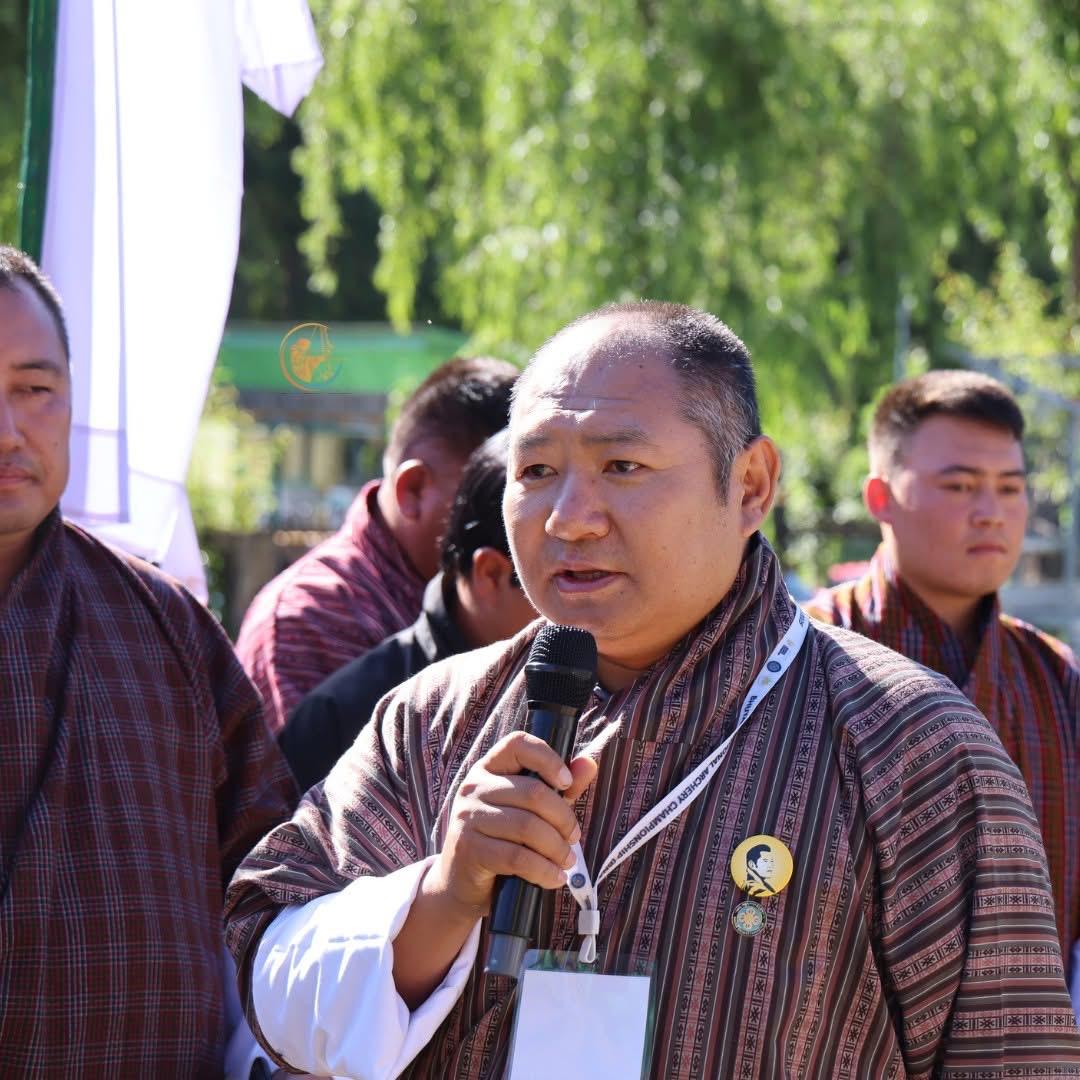
“There’s a perception that we haven’t performed well internationally,” Pema says. “A key reason is the difference in playing styles. What we are used to here is not the same as what we face outside.” That gap is now being addressed, and signs of progress are beginning to show.
At the recent Asia Cup, Bhutan’s compound team reached the semifinals for the first time, defeating strong teams such as Kazakhstan and matching the national record of 232 out of 240.
Individual performances also reflect steady improvement.
- Kezang Norbu scored 693 out of 720, a personal best.
- Tshetum Gaytshey followed closely with 692, also a personal best.
- Tandin Dorji added 690.
In recurve, matches have been decided by the smallest margins, where control matters more than comfort. Kinley Tshering secured a 7 to 3 win. Lam Dorji advanced through a shoot off. Sonam Penjor delivered composed performances under pressure.
“These results show progress,” Pema says. “But there is still work ahead.” One of the biggest adjustments lies in technique. In Bhutan, compound archery is often practiced at longer distances using finger release. International competition takes place at 50 metres with trigger release and modern equipment.
“We are encouraging athletes to make that shift,” he explains. “It will take time, but it is necessary if we want to compete at this level.” Preparation now extends beyond physical training. “At this level, the mental side is just as important. Even one arrow can decide everything.”
Domestic tournaments such as the Bhutan Grand Prix are helping bridge the gap by exposing athletes to higher intensity competition within the country. “It gives athletes a chance to experience international level pressure at home,” he says. As the Asian Games approach, expectations remain grounded.
“It will be a tough challenge. For us, it is about showing up, doing our job, and continuing to improve.” His final message is simple, but it defines the philosophy behind the preparation. “You prepare, and then you go and do your job.”