
Taekwondo Pilot Project 2026 in Thimphu Blends Sport Mental Health and Values Education
The sound of focused movement and disciplined rhythm filled the training hall at the Changlimithang Stadium Taekwondo Hall over the past two days as more than 100 students from 12 schools across Bhutan came together for the Taekwondo Pilot Project 2026, a programme blending sport, mental health awareness, and social values education.
Organised by the Bhutan Taekwondo Federation and supported by the Korea International Cooperation Agency (KOICA), the two-day initiative concluded today after an engaging and intensive session that began on June 4, 2026.
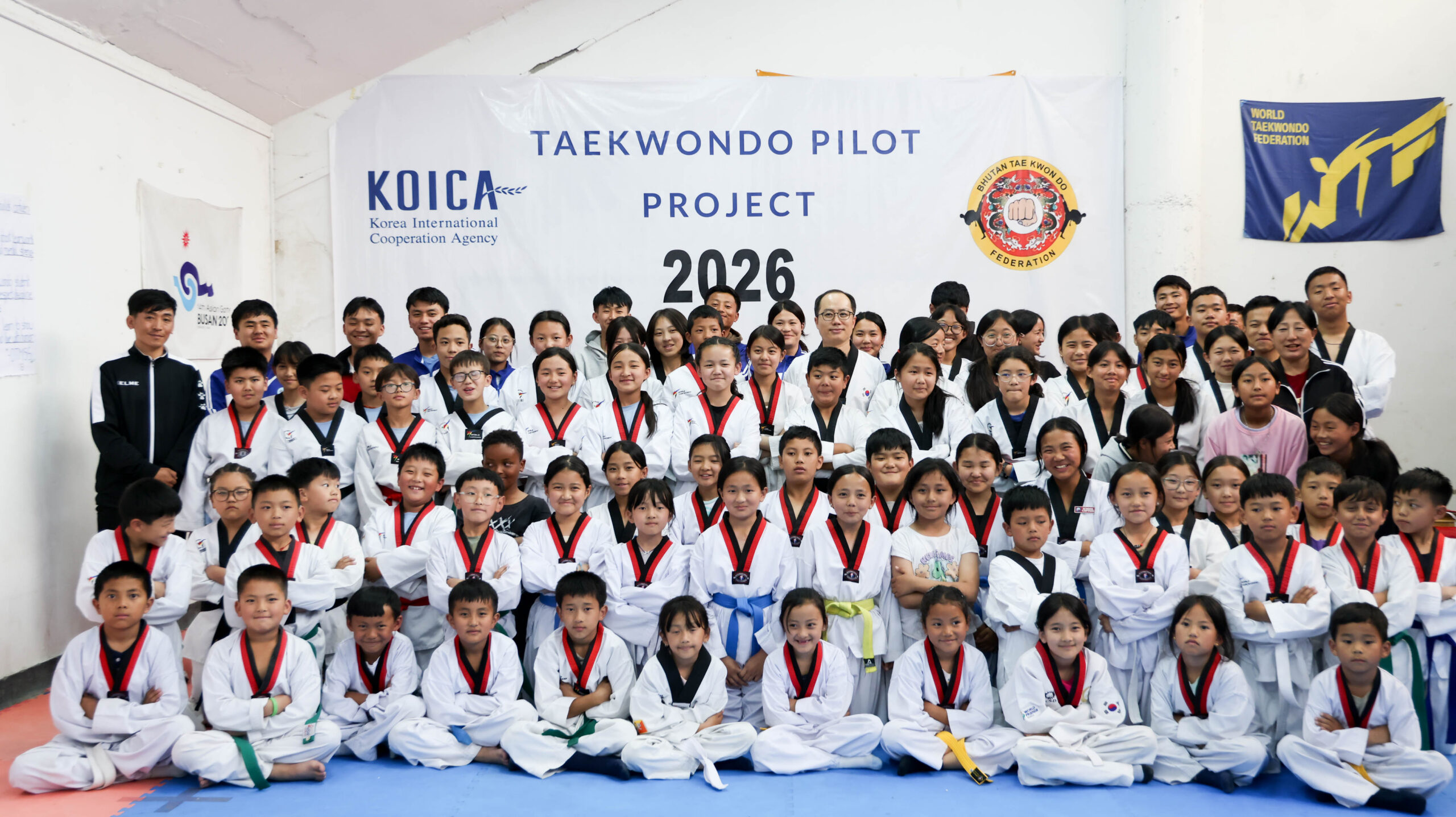
Beyond the kicks, stances, and sharp commands echoing across the mat, the programme carried a deeper purpose, using Taekwondo as a platform to shape young minds, strengthen emotional well-being, and nurture positive values among students. At the centre of the training was Korean Taekwondo expert Lee Juho, who led the sessions and oversaw how the programme connects sport with youth development and mental health education. Speaking during the session, Lee Juho shared insight into his role and motivation behind joining the project.
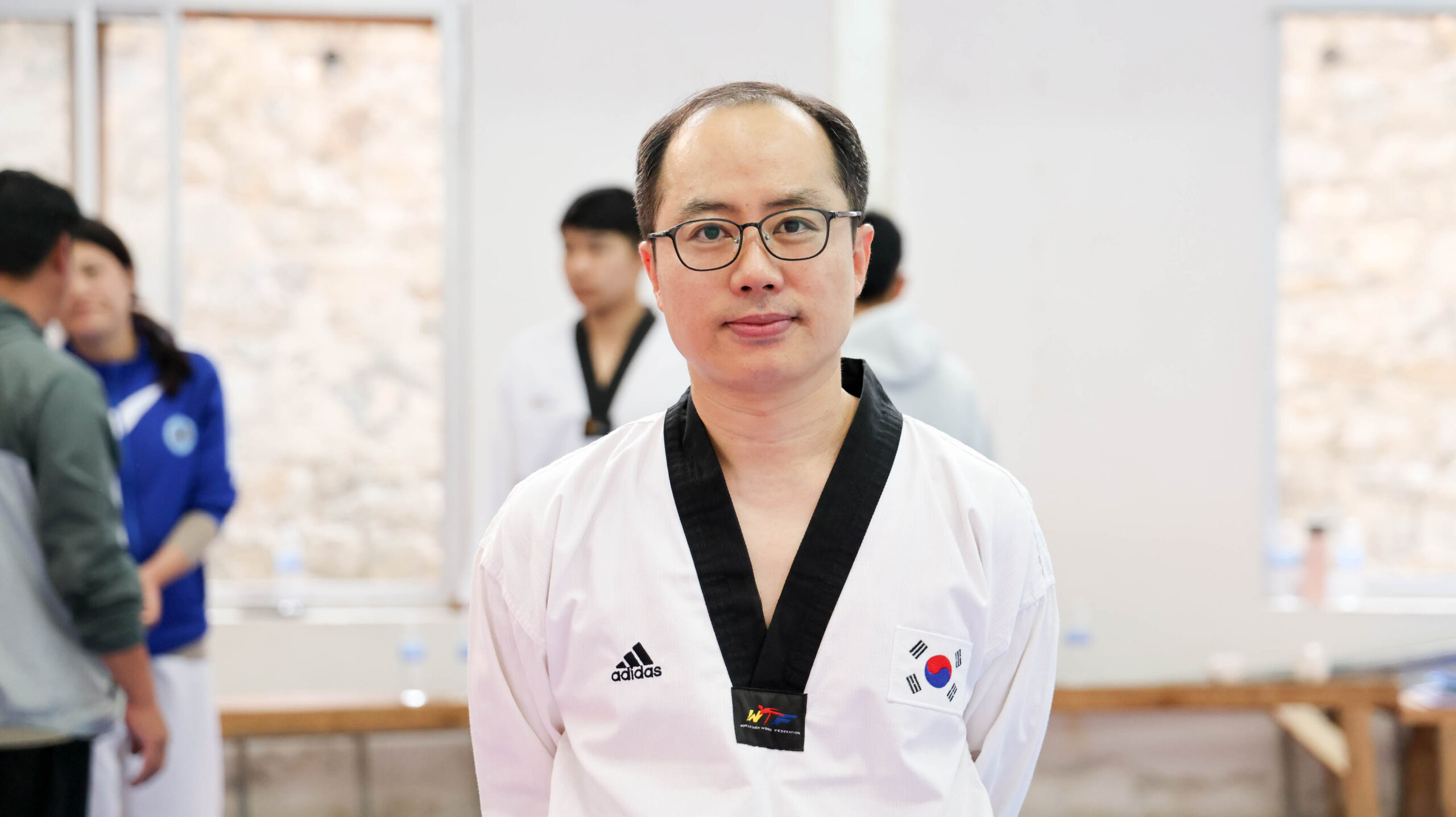
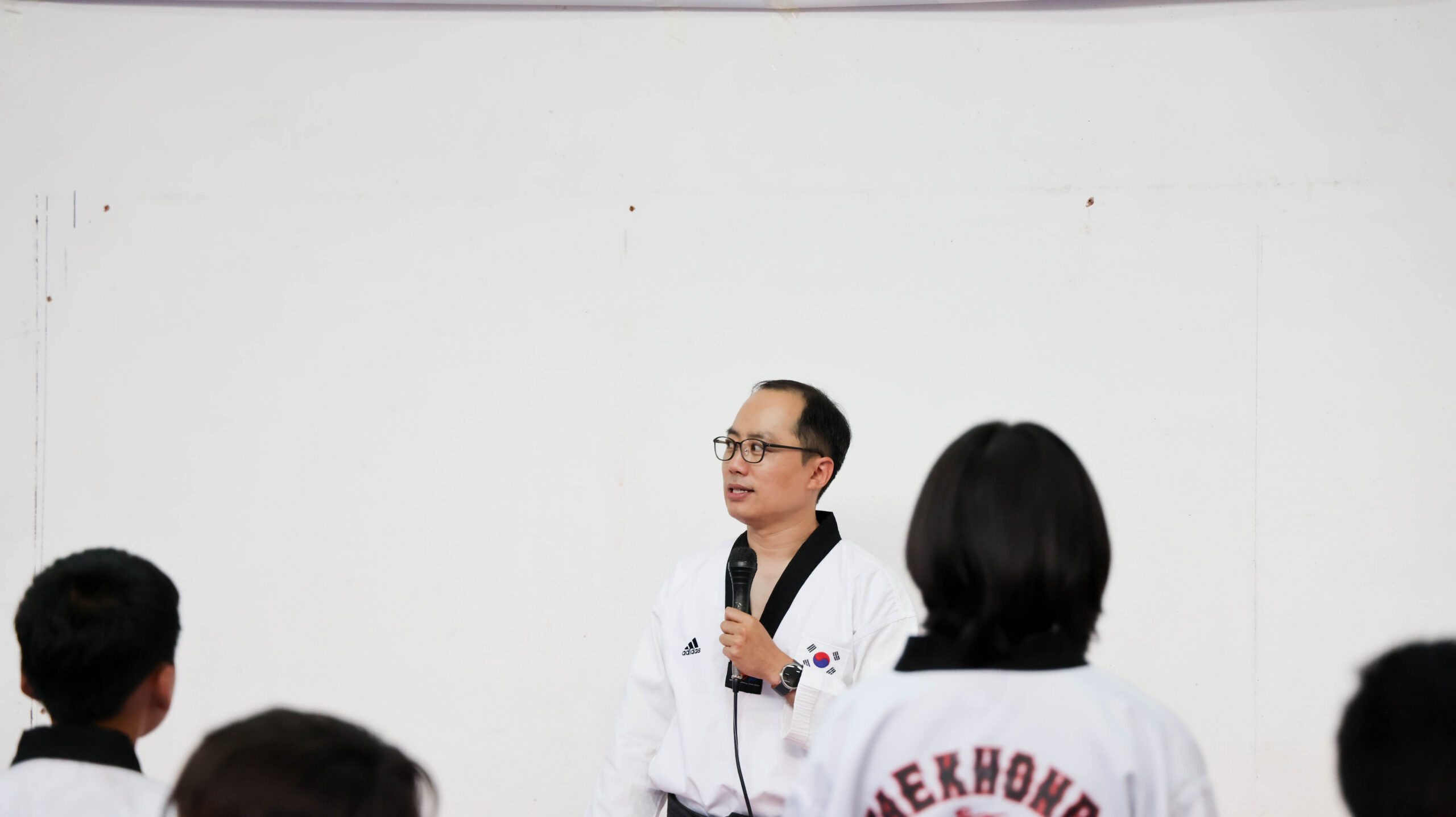
“My name is Lee Juho, and I am a Taekwondo expert from Korea. In this second Taekwondo Pilot Program, my role is to monitor whether the programme, including youth mental health and values education, is being implemented effectively,” he said. He added that his experience working on KOICA projects in countries such as Cameroon and Uzbekistan influenced his continued involvement in youth-focused development work.
“I have always been interested in youth empowerment, and I joined this project because I believe Taekwondo can help young people develop healthy bodies, strong minds, and positive values,” he explained. The programme placed equal importance on physical training and mental well-being, highlighting how sport can be a tool for personal growth beyond competition.
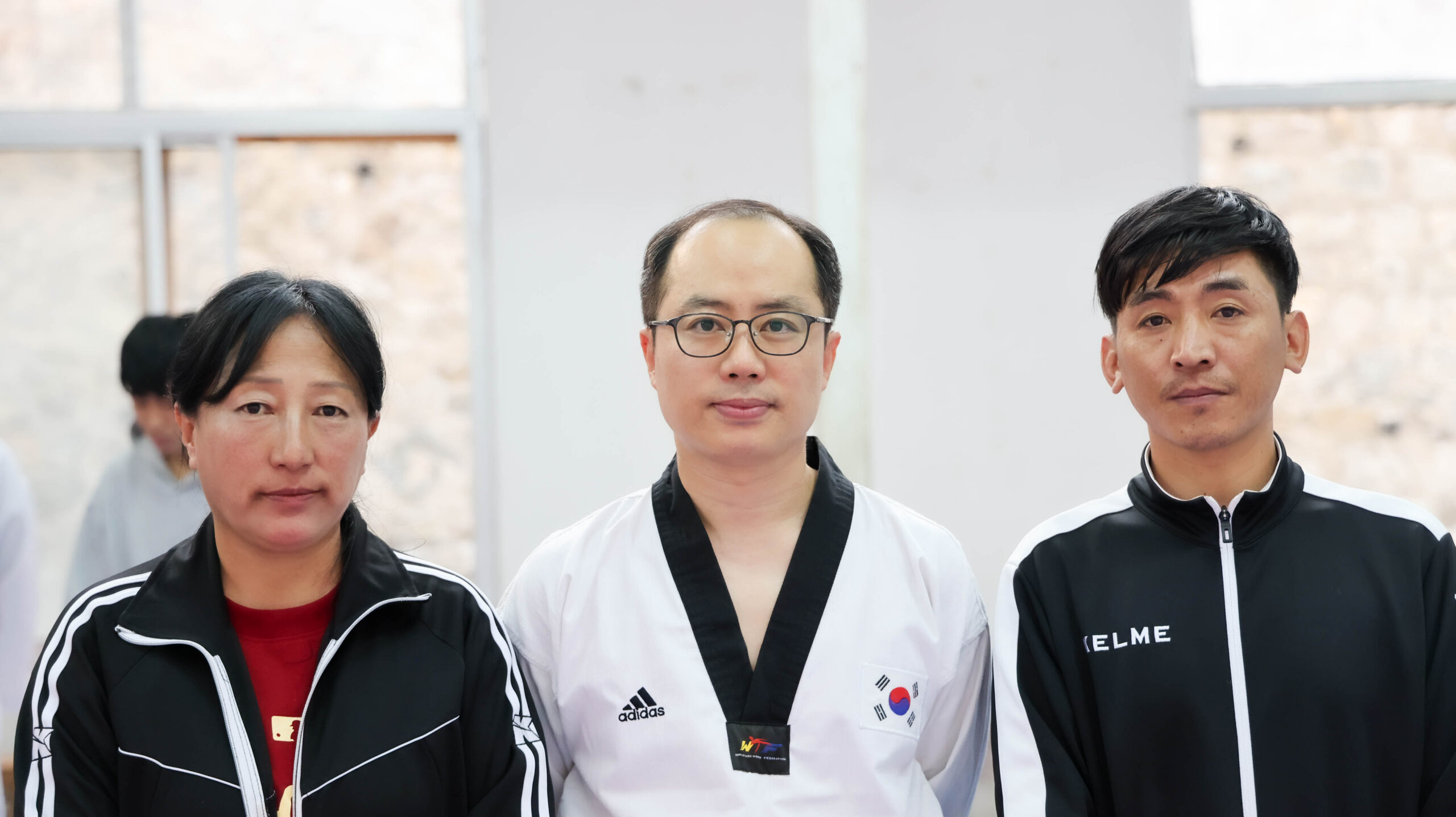
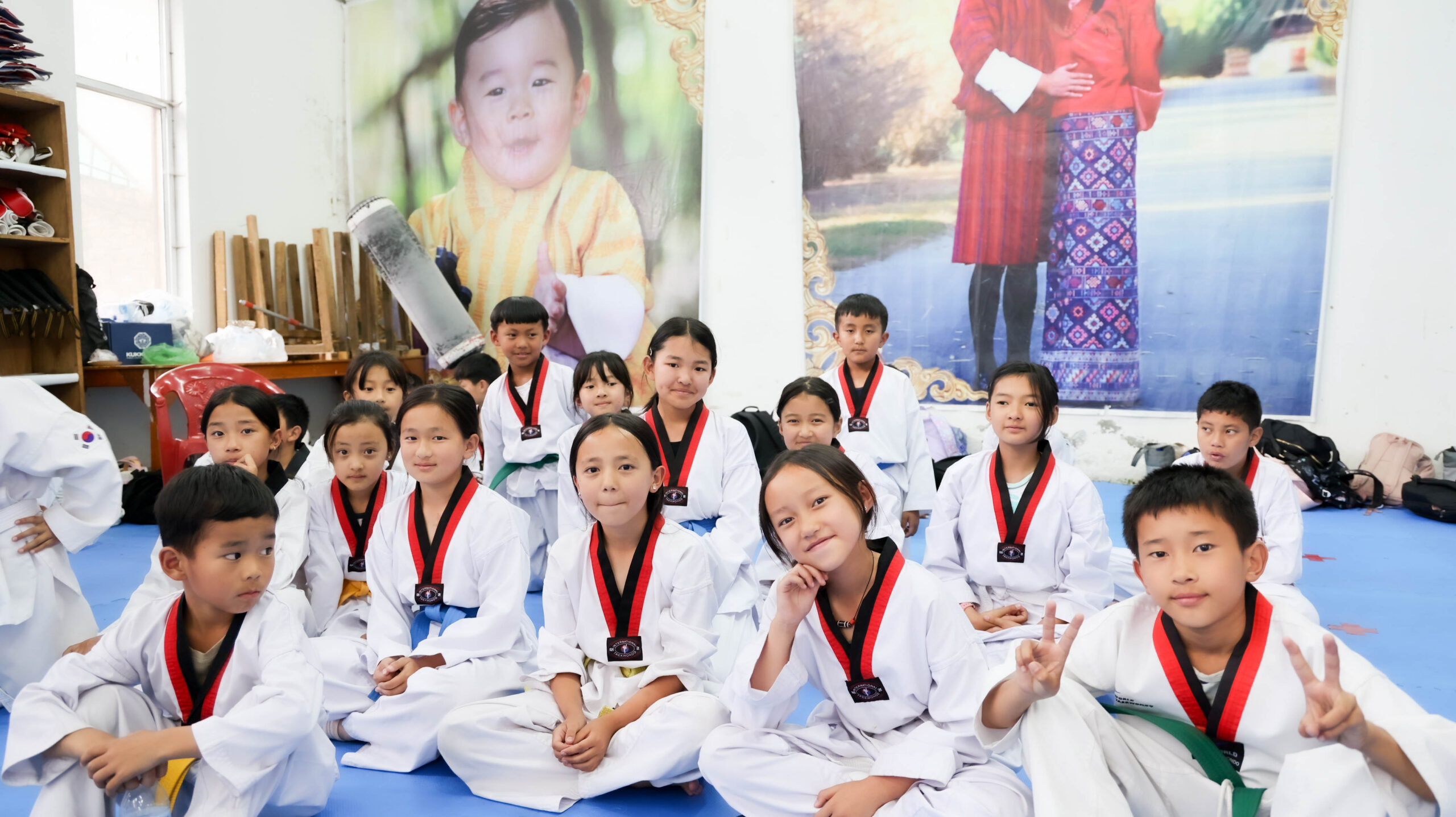
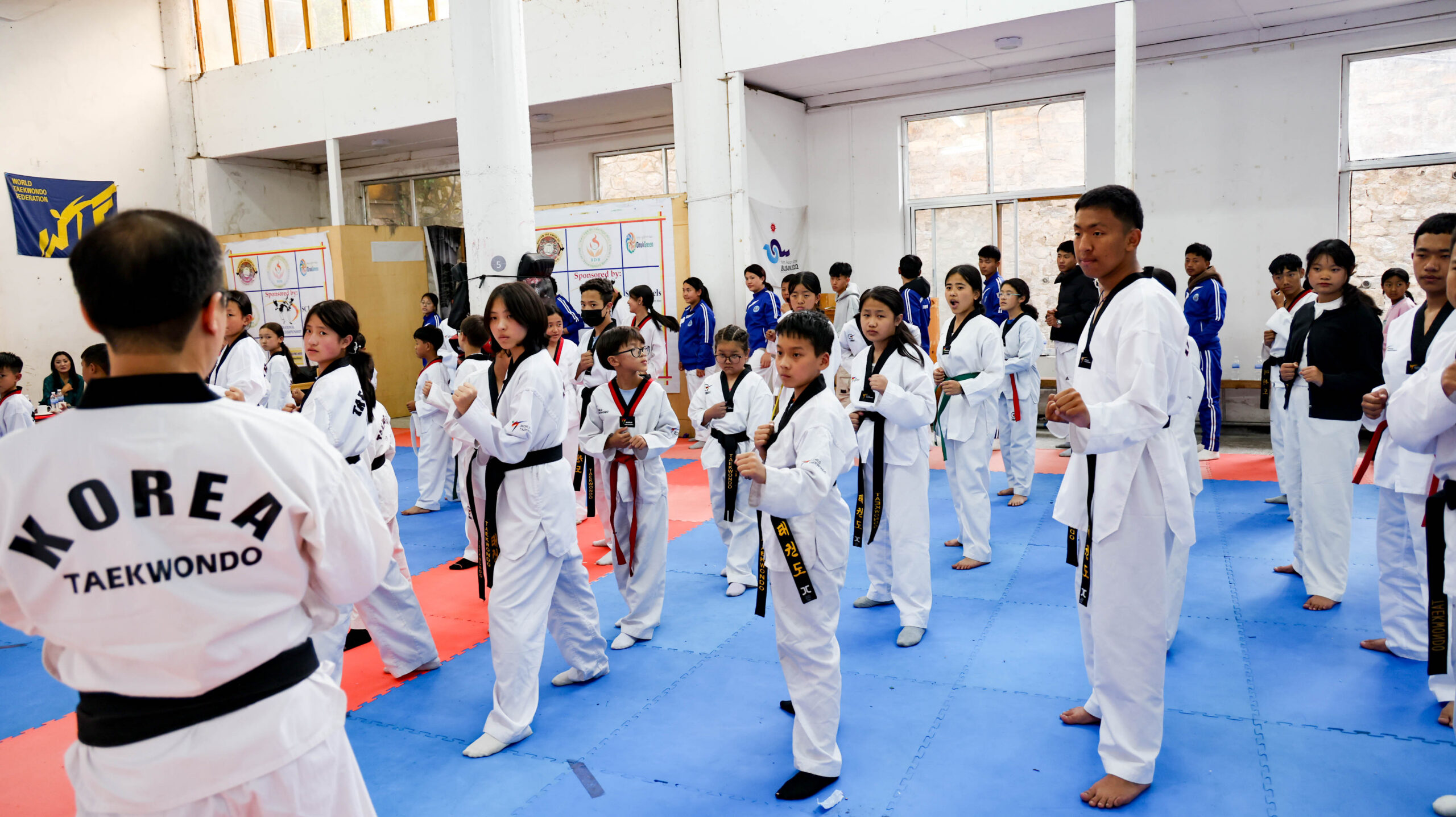
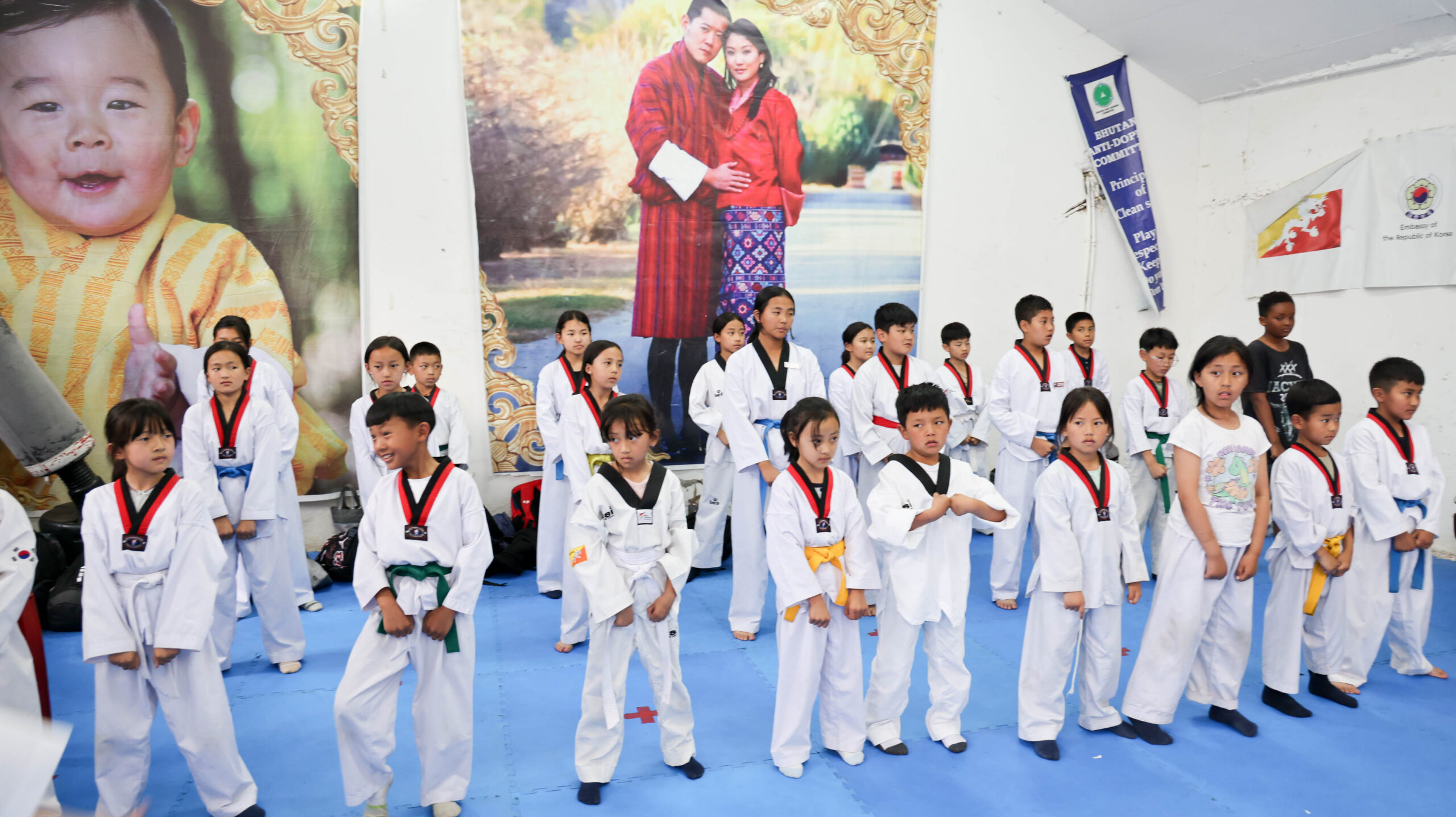
Explaining the broader vision, Lee said, “Taekwondo develops the body and discipline. Mental health awareness helps young people understand their emotions and manage stress. Values education teaches respect, empathy, responsibility, and positive relationships. Together, they support the holistic development of young people.”
Students were guided through basic Taekwondo techniques, teamwork activities, and interactive discussions focused on mental health awareness and social values. According to Lee, these lessons are designed to stay with participants long after the training ends, shaping how they think, behave, and interact in their daily lives.
“They will practice Taekwondo movements, focus, and cooperation through interactive activities. They will also learn how to understand their emotions, support one another, and build positive relationships. The main message is that Taekwondo is not only a sport, but also a tool for developing a healthy body, a strong mind, and good character,” he said.
When asked about his message to Bhutan’s young participants, Lee encouraged them to trust their journey and stay consistent in their growth. “Believe in your potential and keep growing step by step,” he said, adding the core Taekwondo values of courtesy, integrity, perseverance, self-control, and indomitable spirit, while also emphasizing solidarity and empathy.
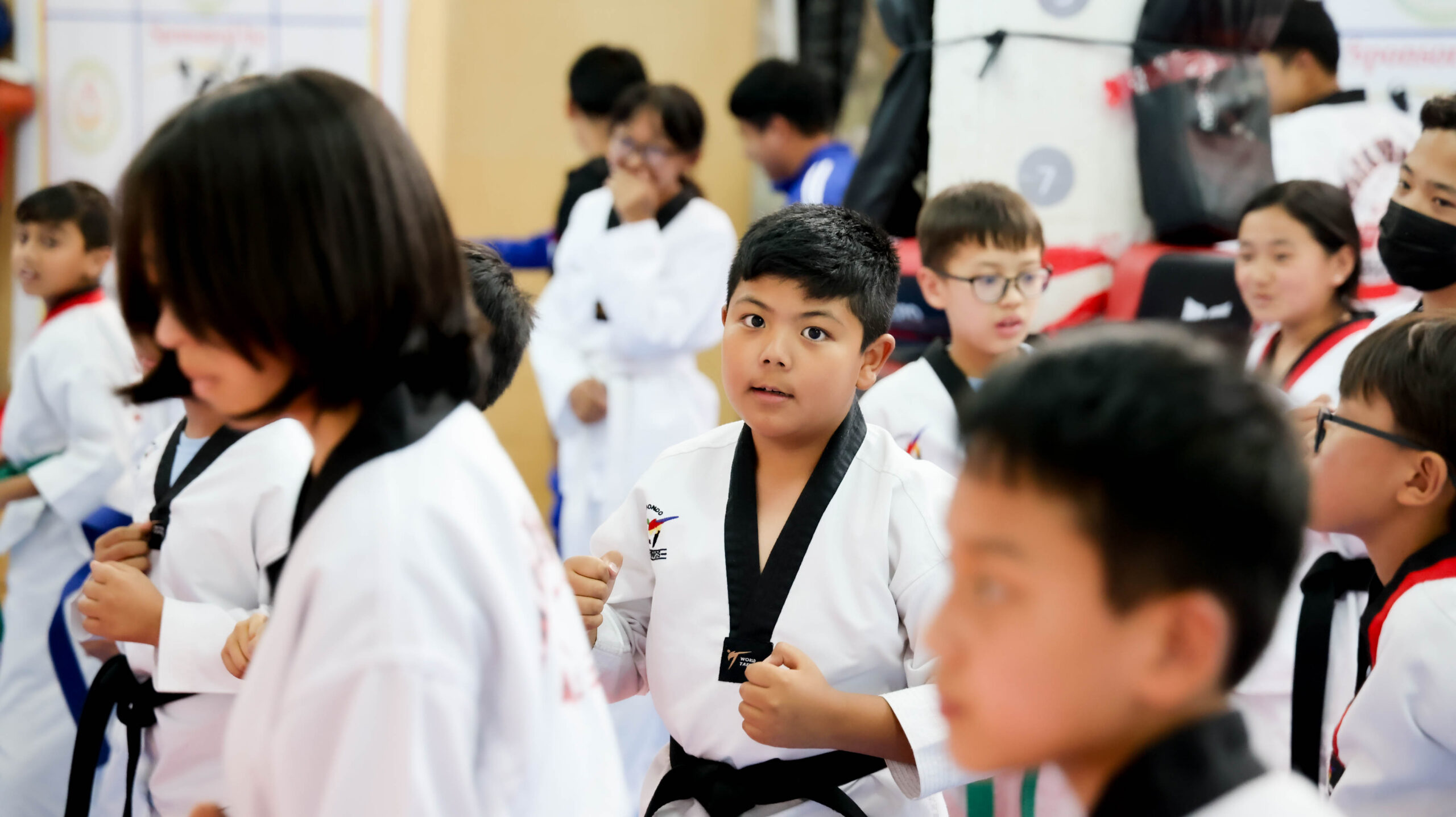
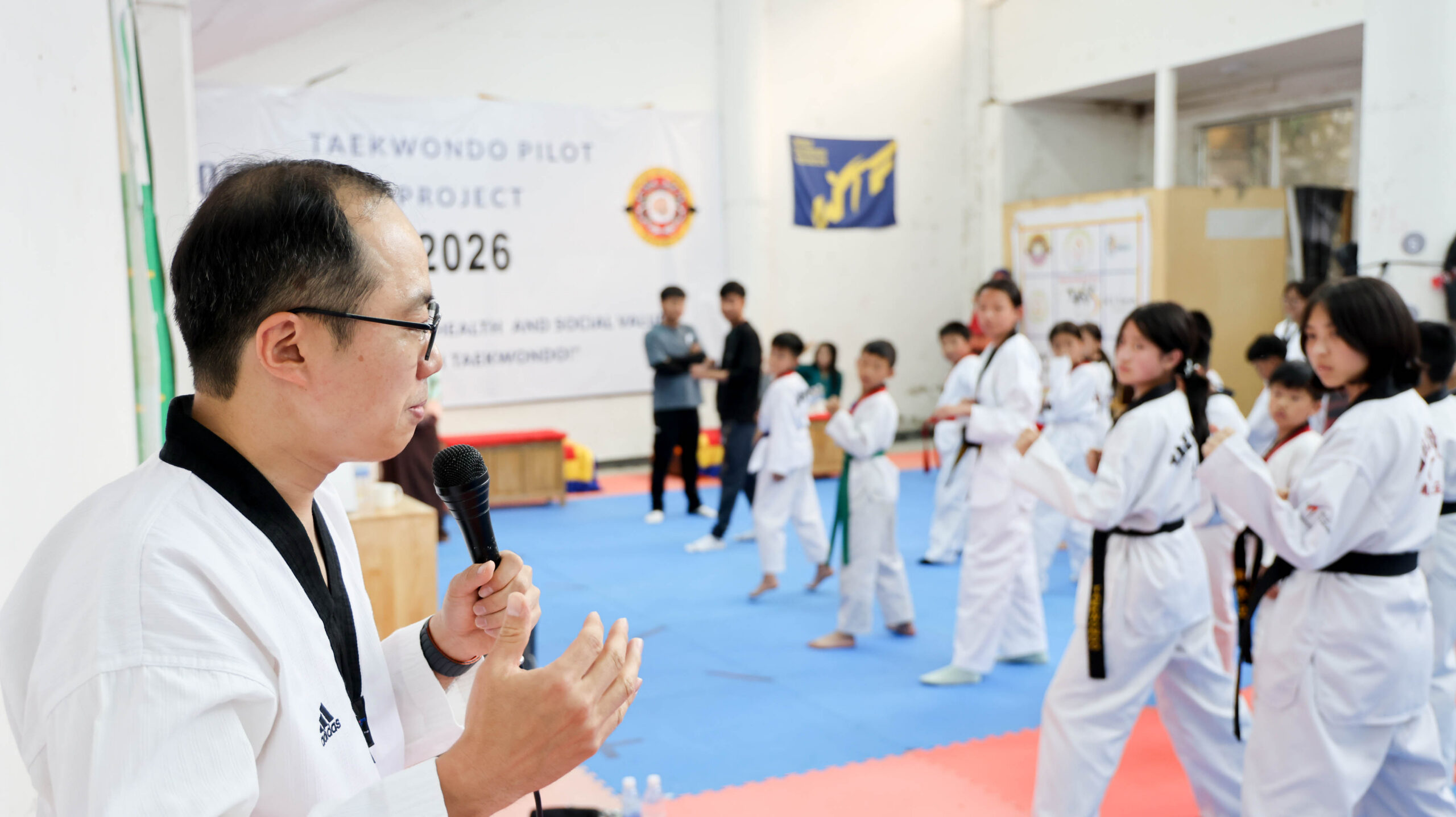
As the two-day pilot project came to a close, what remained was more than just physical fatigue from training. It was a sense of reflection, discipline, and inspiration carried by the students back to their schools.
Organisers hope the initiative marks the beginning of a wider effort to integrate sport, mental health awareness, and values education into youth development across Bhutan. For the young participants, the message from the mat was clear: Taekwondo is not only about strength of body, but also strength of mind and character.