
Two Coaches, One Dream for Bhutan at Aichi–Nagoya 2026
In Bhutan’s compound archery landscape, two national coaches Tashi Tshering and Ajeet stand at the center of a journey that is quietly shaping history as they prepare athletes for the Aichi–Nagoya 2026 Asian Games. Their paths into coaching were not carefully designed careers but defining moments where responsibility met opportunity, and both stepped forward when their sport needed them most.
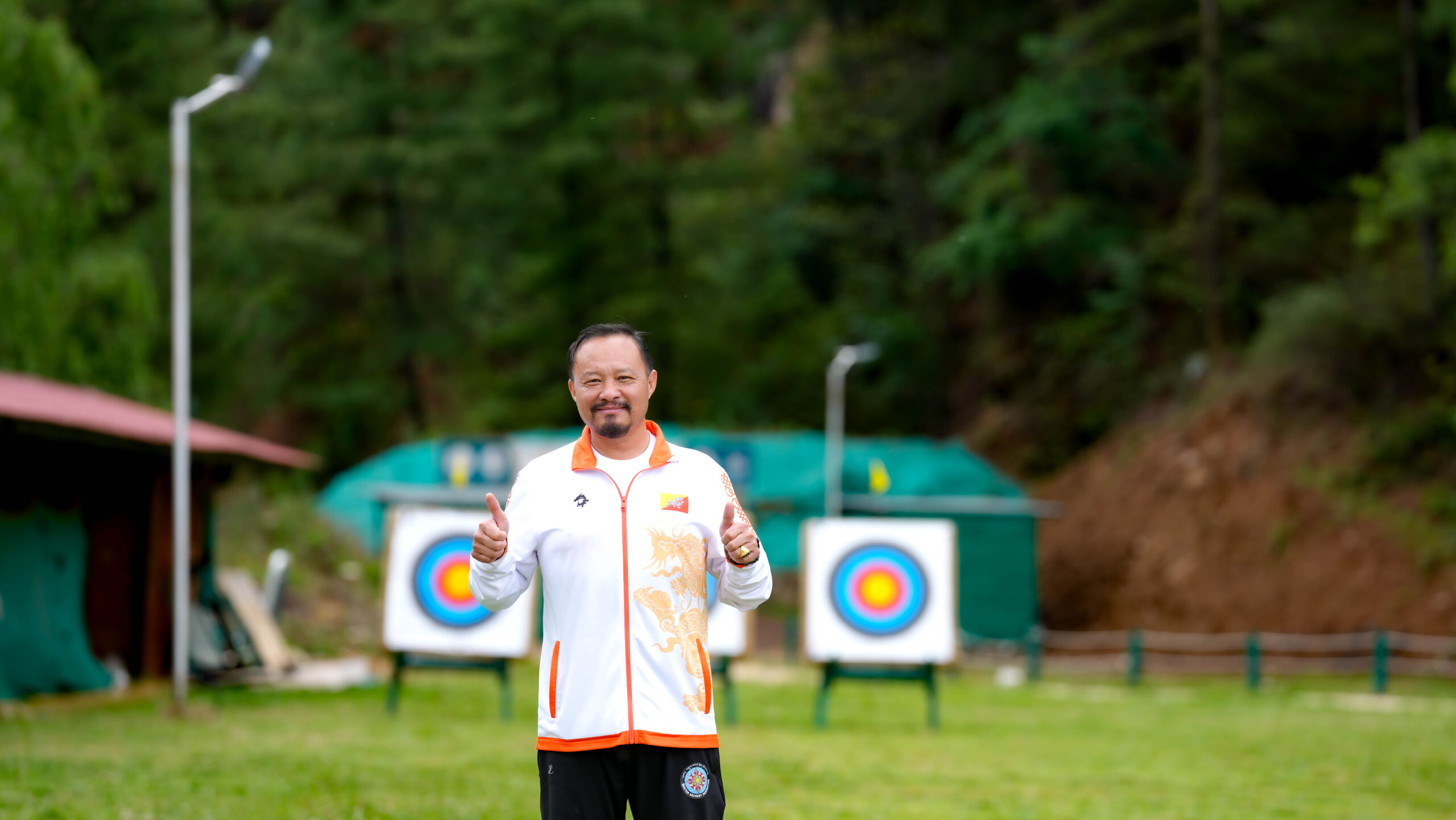
Coach Tashi Tshering brings with him 25 years in compound archery, including seven years representing Bhutan at Asian circuits and World Championships. After a long career as an athlete, his transition into coaching came in 2017 during a critical moment for Bhutanese archery.
When the head coach returned home, a gap was left in the system. At that time, the federation president Lyonpo Kinzang Dorji invited athletes to step forward if they were willing to serve as coaches. Tashi remembers that moment as life changing. Without hesitation, he volunteered, stepping into a role he had never formally planned but quickly grew into with dedication and purpose. Alongside his colleague Tshering Choden, he began shaping a new foundation for Bhutanese compound archery. Today, he holds a World Archery Level 3 coaching certification yet remains humble about his journey, saying he still has much to learn and rating himself 8 out of 10.
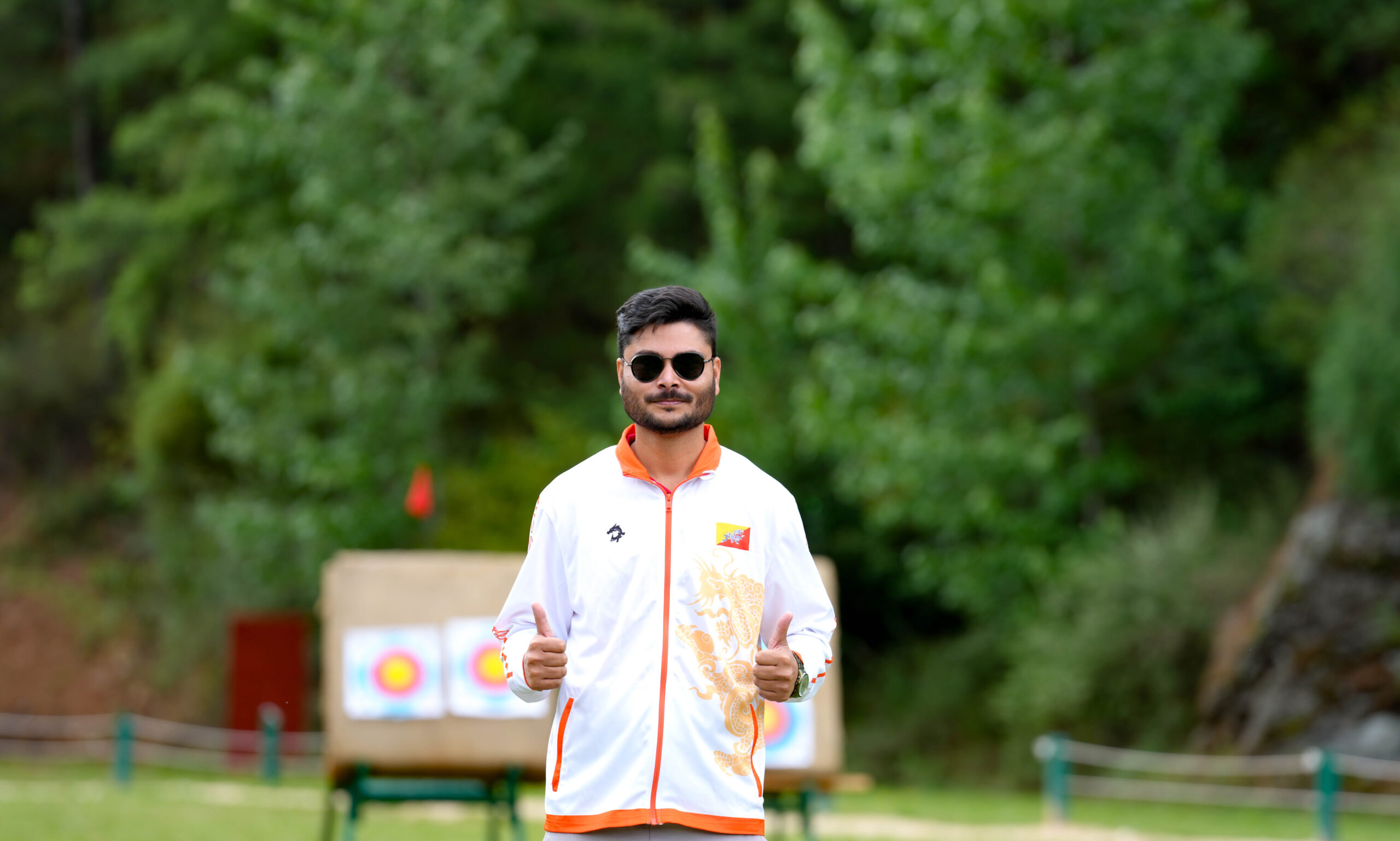
Coach Ajeet’s journey carries a different but equally powerful story. With 20 years in compound archery, he spent a decade as an athlete in India, competing at senior national championships and earning a bronze medal before moving into coaching. His coaching career developed in 2015 under his head coach, later serving for eight years with the Delhi Development Authority. Over time, he built a strong identity as both an athlete and a coach, collecting experience across competitive and structured training environments.
With confidence and a smile, he rates himself 10 out of 10, pointing to his record of 27 international medals and over 100 national medals as part of his coaching foundation.
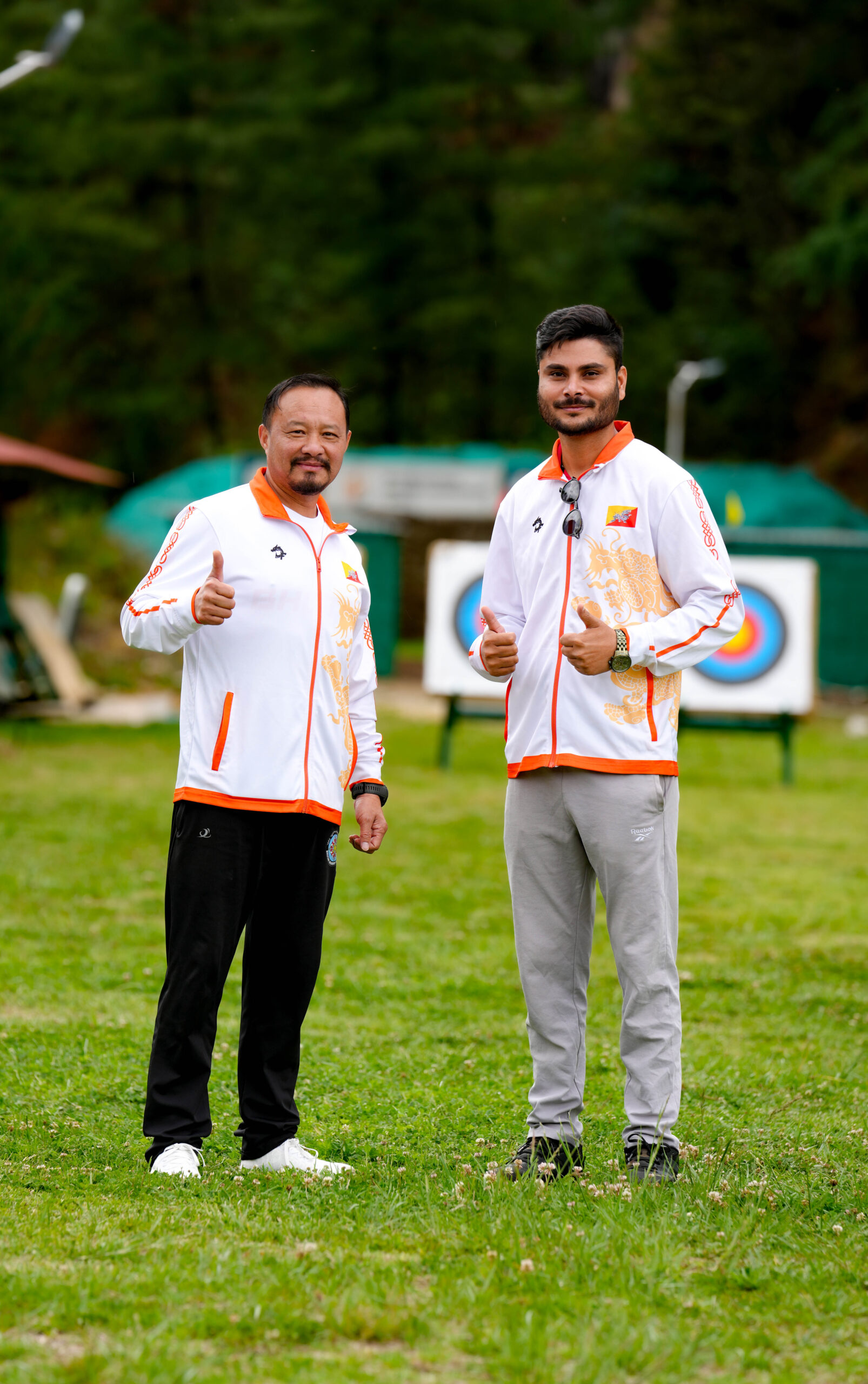
Today, both coaches are fully dedicated to preparing Bhutan’s compound archers for Aichi–Nagoya 2026 and the transformation in their training system is clearly visible. What was once limited to repetitive shooting has now evolved into a structured high performance program that includes nutrition, strength and conditioning, mental preparation and performance analysis. Coach Tashi explains that daily scoring is now a key part of their system, not just to measure performance but to track growth and consistency over time. With support from the Bhutan Olympic Committee, training has become more scientific, focused and disciplined than ever before.
Coach Ajeet reinforces this approach, emphasizing that nearly ninety percent of competition performance is built in training. Their system now focuses heavily on fine shooting where athletes repeat identical movements until precision becomes instinct. Errors are corrected immediately and athletes are trained to rebuild the perfect shot again and again using the same arrow, developing both technical stability and mental discipline.
Mental strength remains at the heart of their philosophy. Coach Tashi believes that while Bhutanese archers possess strong natural ability, consistency under pressure is still the biggest challenge. Coach Ajeet complements this with a structured method of podium training where real match pressure is simulated during practice sessions. Athletes are placed in situations that replicate ranking rounds, elimination matches, timing pressure and psychological stress, helping them learn to remain calm when it matters most.
Their preparation is fully aligned toward the Asian Games cycle, but both coaches openly acknowledge the unique realities of Bhutan’s system. Many archers are working professionals who balance jobs with demanding training schedules. Despite this, their commitment remains unwavering. Coach Tashi notes that even weekends and holidays are often dedicated to training, while Coach Ajeet highlights the discipline of athletes who rarely miss sessions despite personal responsibilities.
Today, both coaches are fully dedicated to preparing Bhutan’s compound archers for Aichi–Nagoya 2026 and the transformation in their training system is clearly visible. What was once limited to repetitive shooting has now evolved into a structured high performance program that includes nutrition, strength and conditioning, mental preparation and performance analysis. Coach Tashi explains that daily scoring is now a key part of their system, not just to measure performance but to track growth and consistency over time. With support from the Bhutan Olympic Committee, training has become more scientific, focused and disciplined than ever before.
Coach Ajeet reinforces this approach, emphasizing that nearly ninety percent of competition performance is built in training. Their system now focuses heavily on fine shooting where athletes repeat identical movements until precision becomes instinct. Errors are corrected immediately and athletes are trained to rebuild the perfect shot again and again using the same arrow, developing both technical stability and mental discipline.
Mental strength remains at the heart of their philosophy. Coach Tashi believes that while Bhutanese archers possess strong natural ability, consistency under pressure is still the biggest challenge. Coach Ajeet complements this with a structured method of podium training where real match pressure is simulated during practice sessions. Athletes are placed in situations that replicate ranking rounds, elimination matches, timing pressure and psychological stress, helping them learn to remain calm when it matters most.
Their preparation is fully aligned toward the Asian Games cycle, but both coaches openly acknowledge the unique realities of Bhutan’s system. Many archers are working professionals who balance jobs with demanding training schedules. Despite this, their commitment remains unwavering. Coach Tashi notes that even weekends and holidays are often dedicated to training, while Coach Ajeet highlights the discipline of athletes who rarely miss sessions despite personal responsibilities.
A key shift in their approach has been the decision by both coaches to request athletes to temporarily step away from participating in traditional long-distance local competitions until the Asian Games. In Bhutan, some of these local formats extend up to 145 meters, while international compound archery is contested at 50 meters. Although athletes previously took part in these local tournaments due to their strong shooting ability, the coaches observed that repeated participation was affecting consistency and adaptation at the international level. Both coaches therefore agreed that aligning preparation strictly with international formats was necessary to improve global competitiveness, maintain technical consistency, and ensure athletes are fully focused on the demands of elite-level competition.
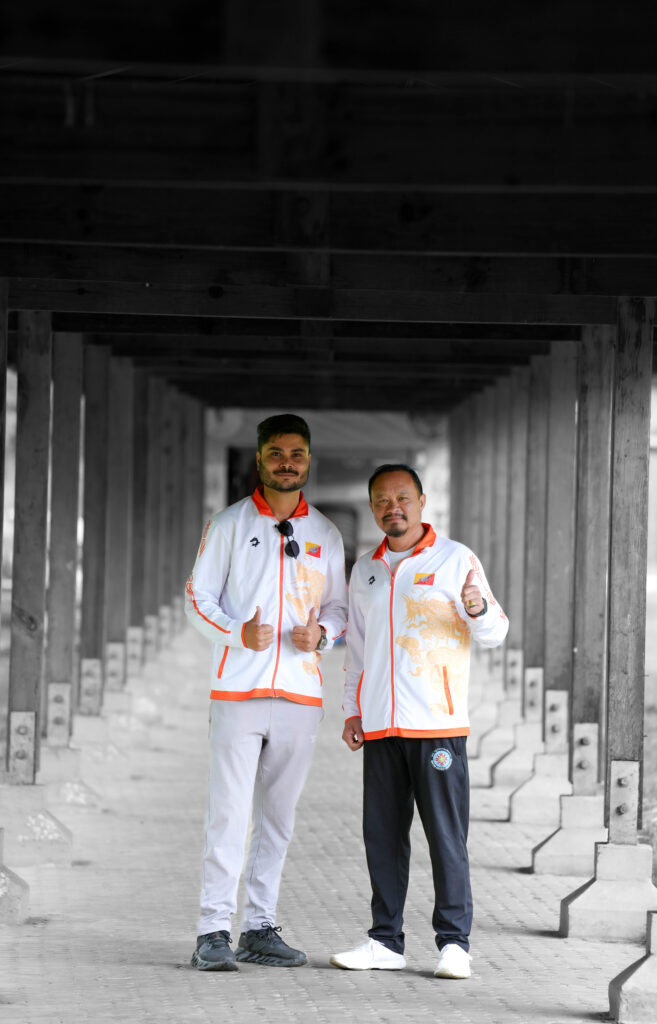
On a daily basis, athletes shoot around 135 arrows, spending four to five hours refining technique, rhythm and mental control. Coaches continuously observe performance patterns, intervene when inconsistencies arise and guide athletes back toward stable execution. Bhutanese archers possess one defining strength, an unbreakable fighting spirit. They never give up until the final arrow. However, the challenge lies in maintaining the same level of composure and precision across every stage of competition, especially in ranking rounds where over relaxation sometimes affects early performance.
Despite these challenges, both coaches remain deeply optimistic. Recent international performances have shown Bhutan steadily closing the gap with stronger archery nations. More importantly, Bhutanese archers are no longer just participants, they are becoming genuine contenders, often finishing close to podium positions and surprising opponents with their progress.
Beyond the field, both coaches carry deeply human stories. Coach Tashi speaks with pride about his wife, a national compound archer whom he also coaches, smiling as he admits she may be better than him. Coach Ajeet credits his family’s support as a strong foundation behind his journey, acknowledging the balance required to sustain such a demanding profession.
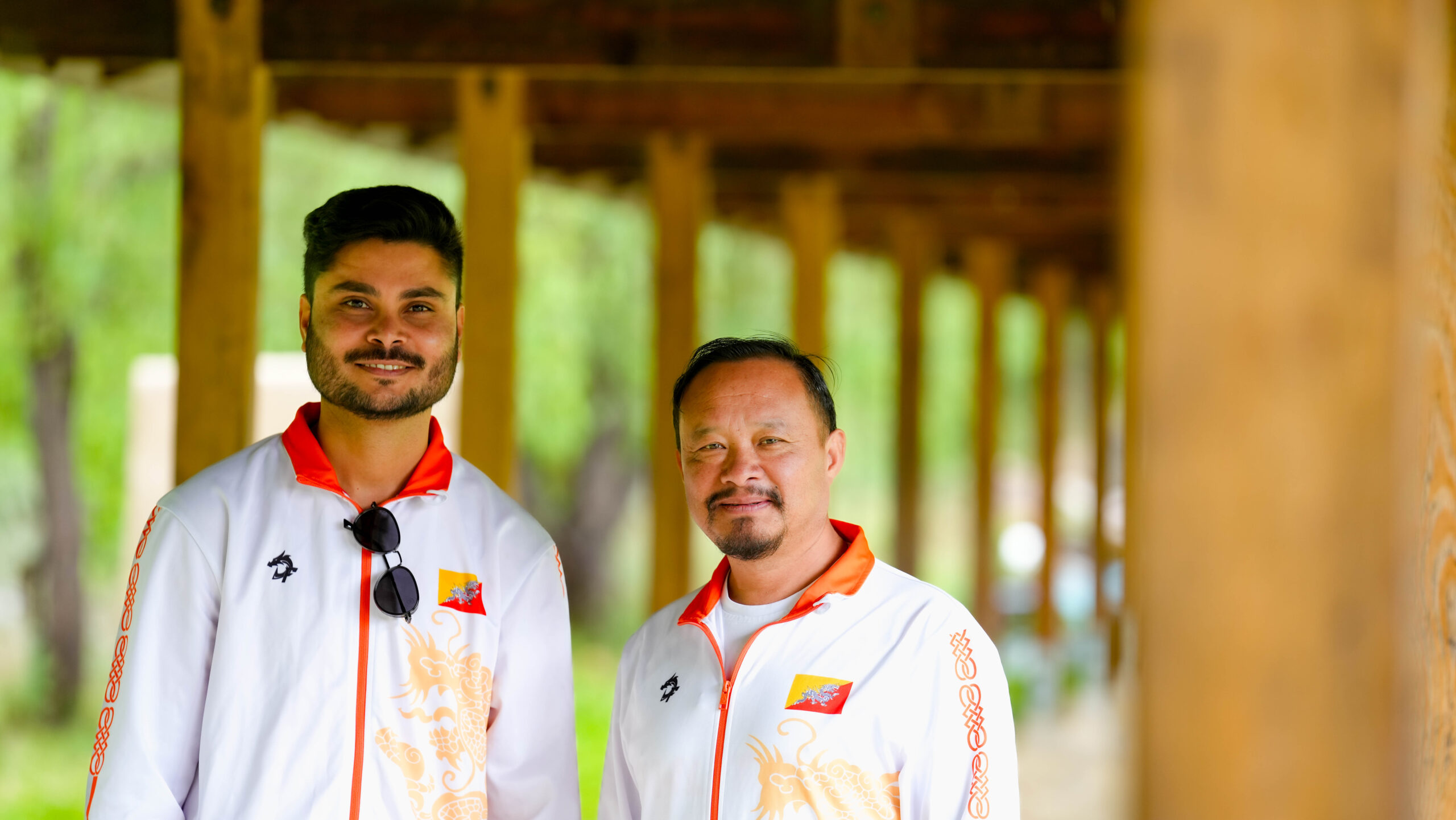
As preparations intensify for Aichi–Nagoya 2026, both coaches are also planning international exposure tours and training camps abroad to help athletes adapt to diverse competitive environments. This phase will be more about preparation, refinement, sharpening every detail before the world stage.
When asked about success, both coaches arrive at the same answer in different words. For Coach Tashi, Bhutan is already close. For Coach Ajeet, history is within reach. And in that shared belief lies the quiet strength of their mission to make Bhutan’s presence felt on one of the biggest sporting stages in the world.