Exclusive Interview With Yeshi Dema

Beyond the Line of Fire

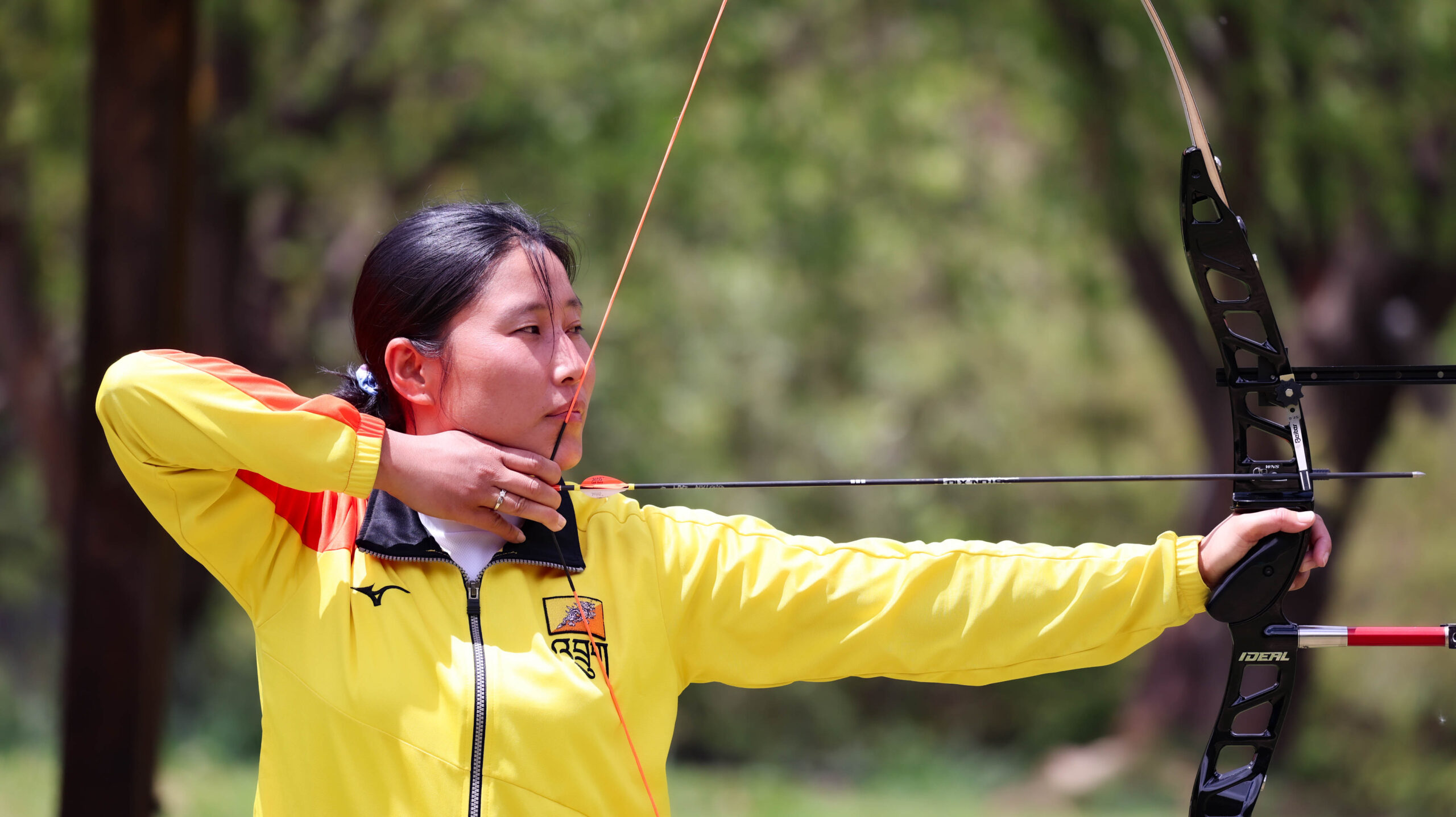
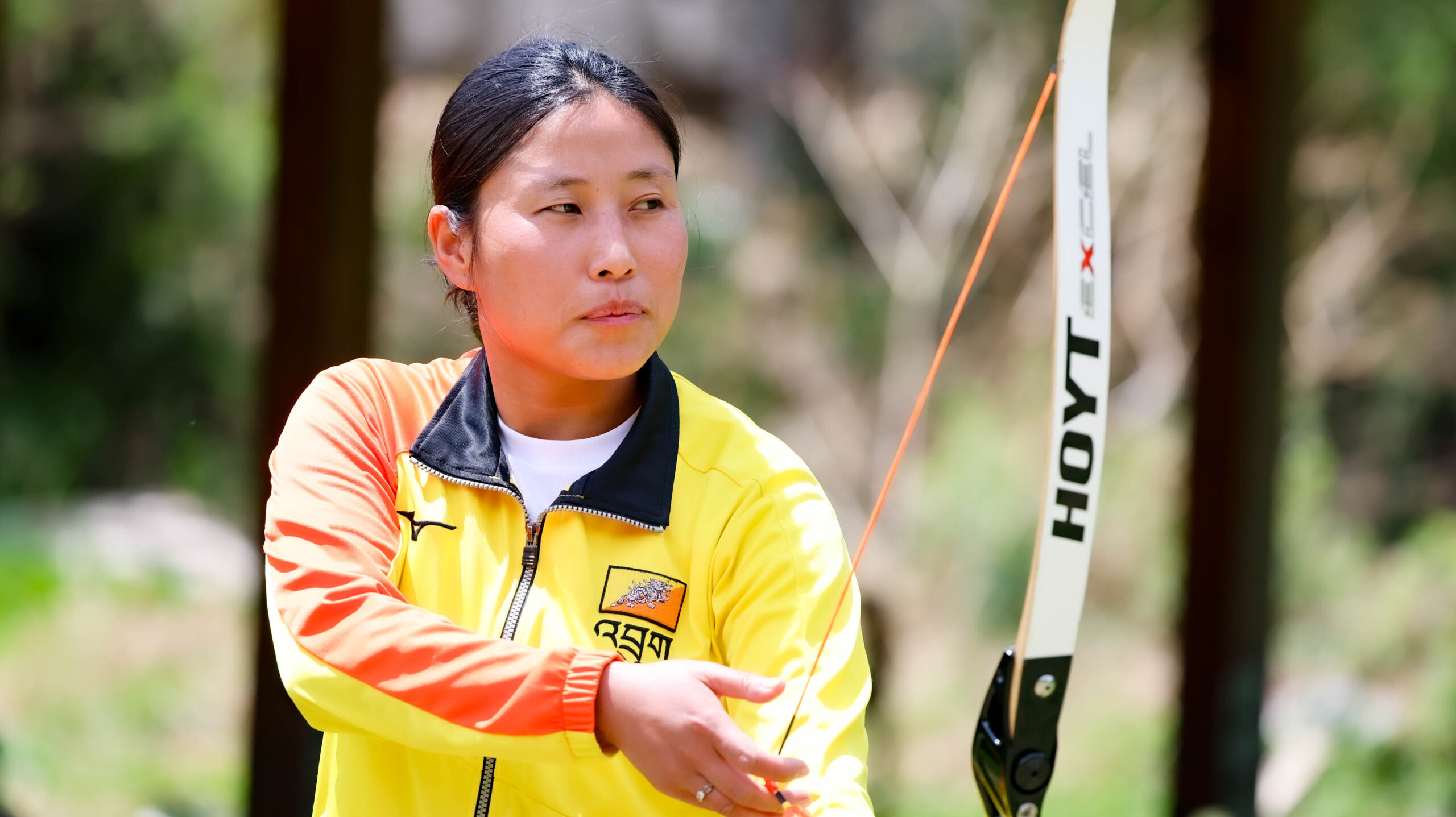
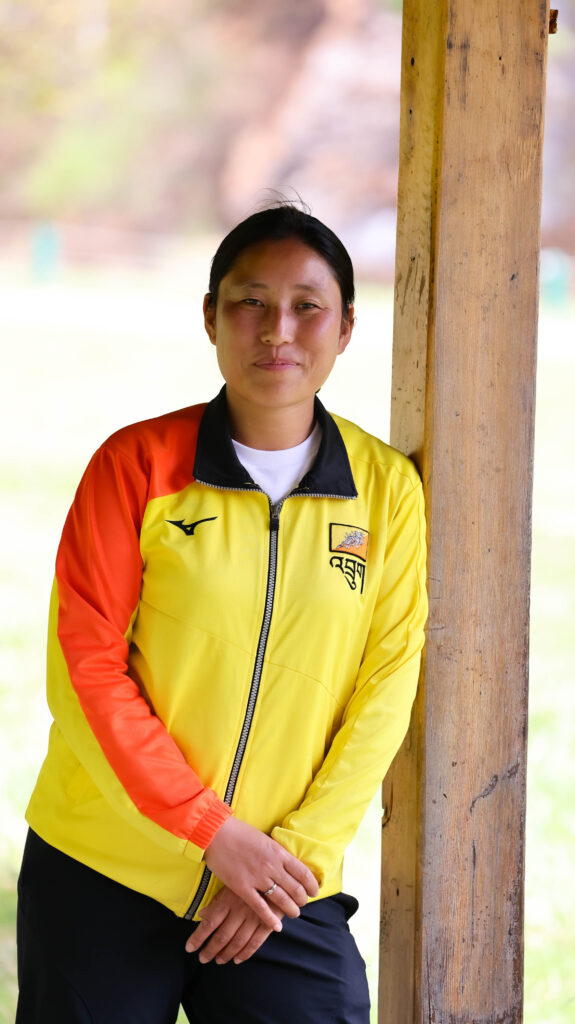
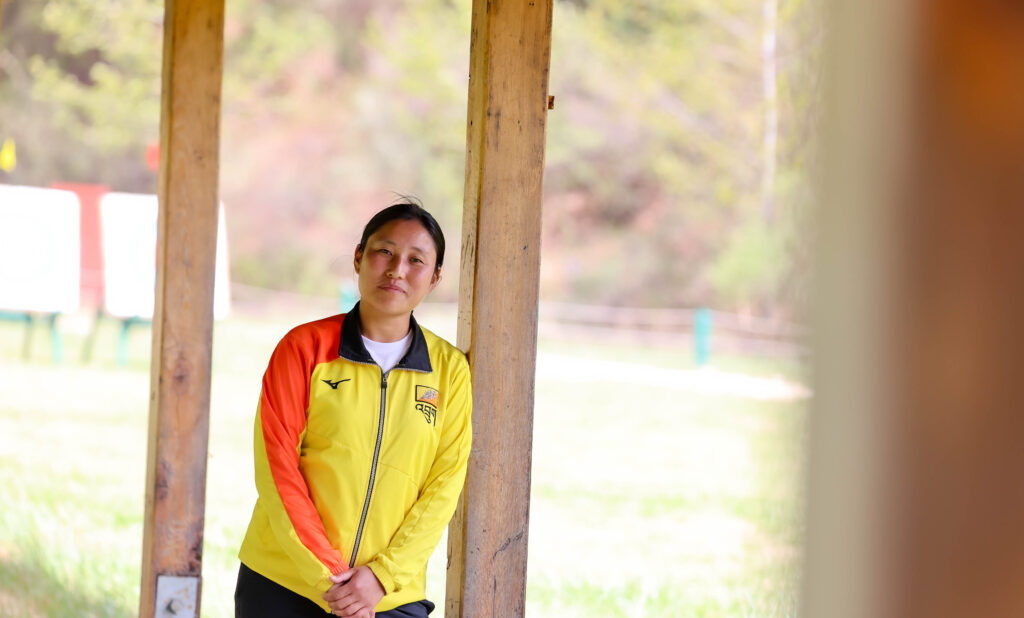
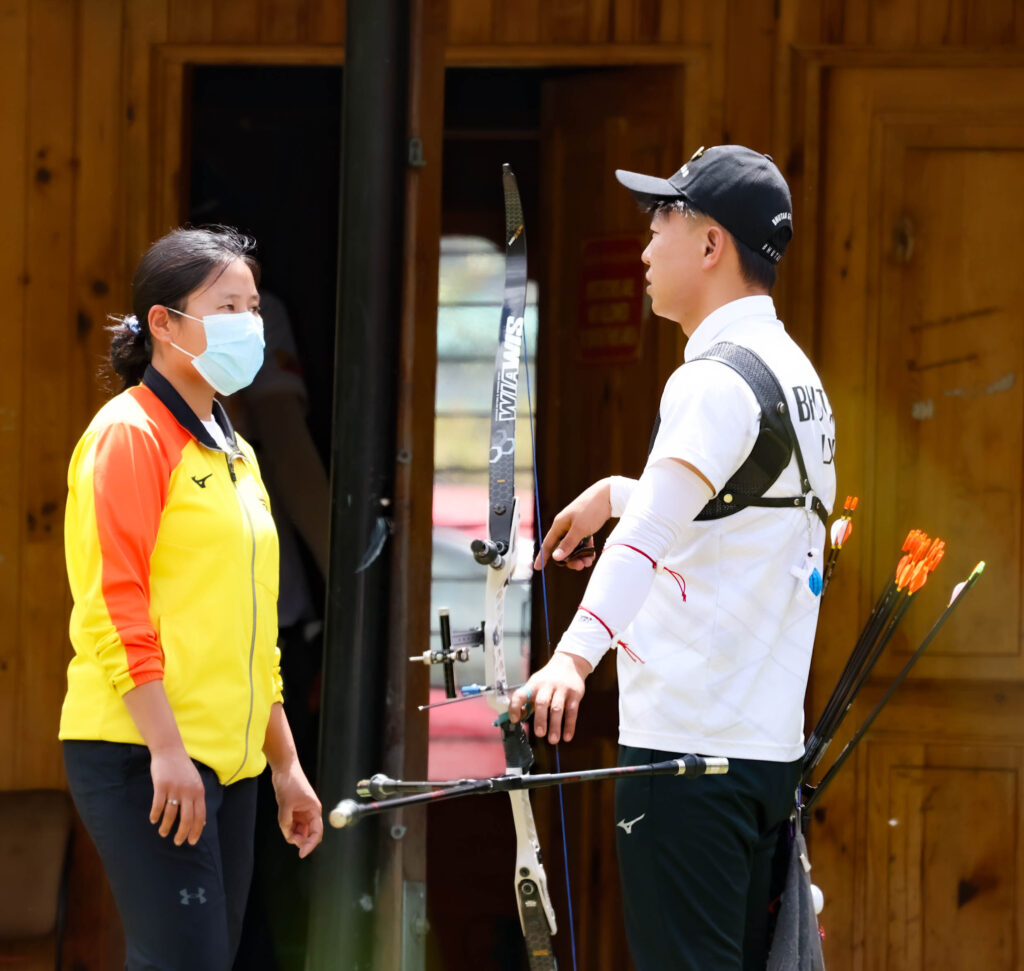
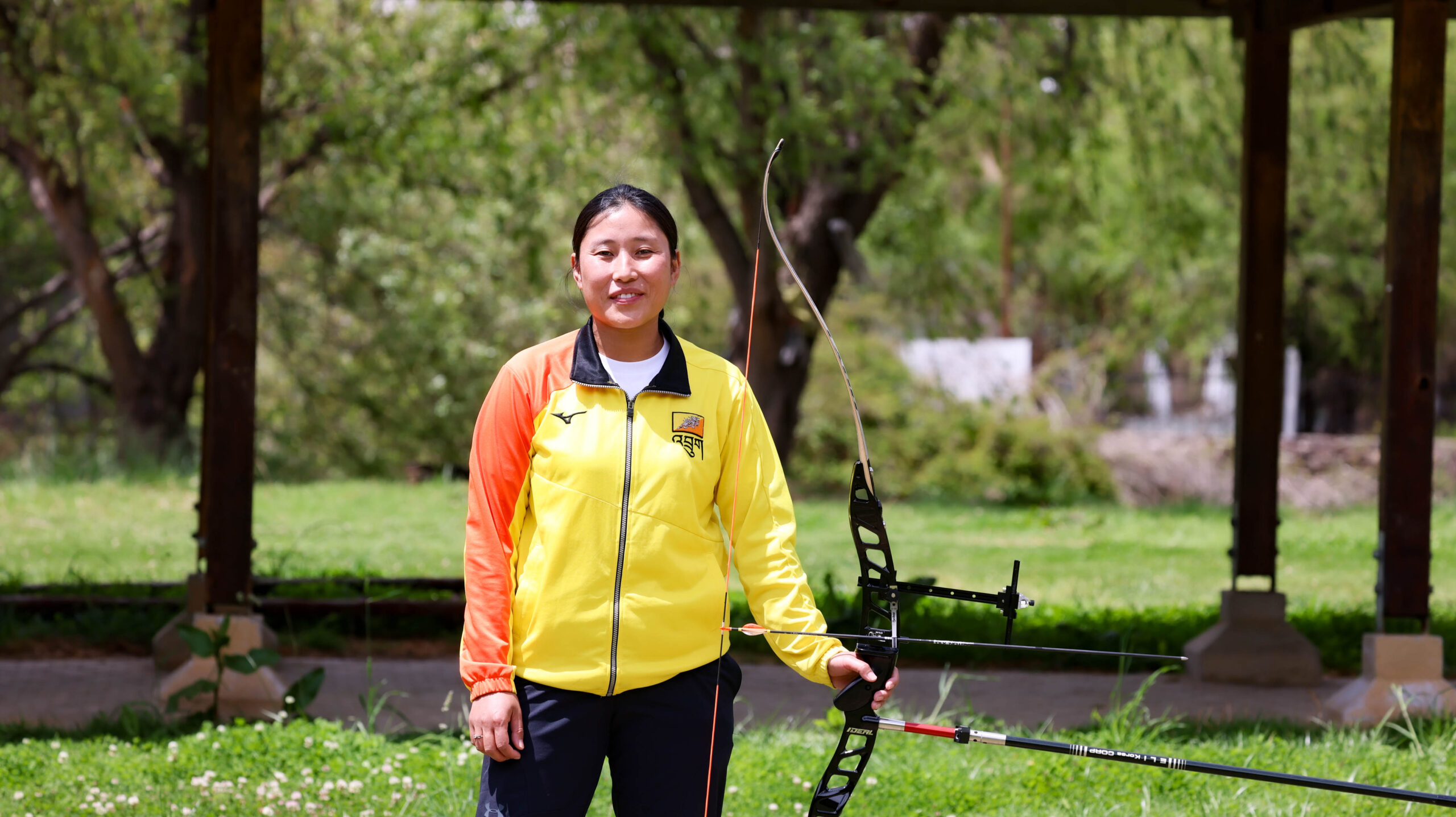
There is something steady about the way Yeshi Dema speaks. No rush, no need to impress, just a quiet clarity that comes from years of doing the work when no one is watching.

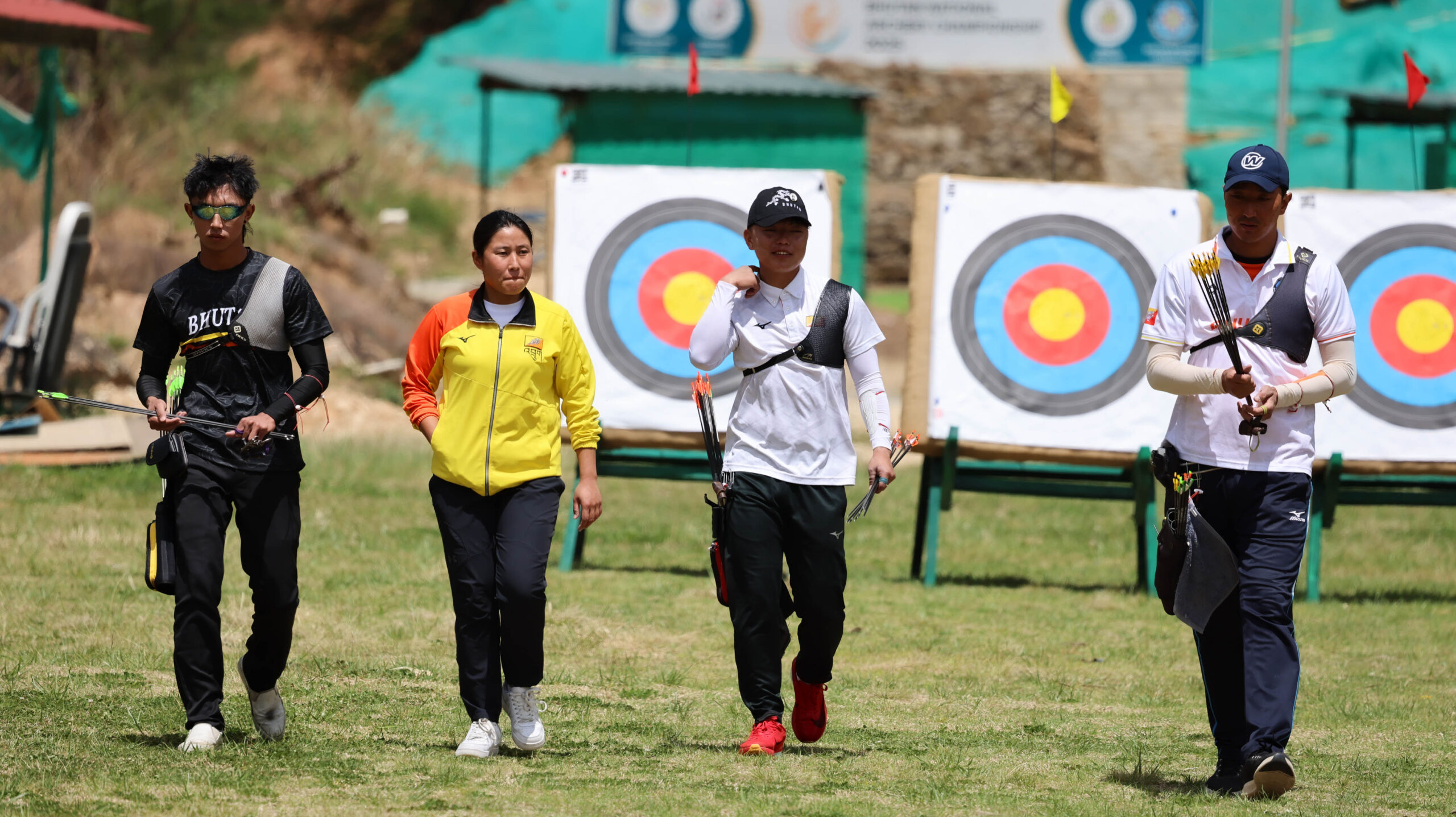
As Head Coach for Recurve Archery, and with Bhutan preparing for the Aichi Nagoya 2026 Asian Games, her attention stays on the things that rarely get seen. The long hours on the range, the repetition that tests patience, the setbacks that shape character. For her, progress is not built in moments of applause, but in the days that pass quietly in the background.

Her journey has followed the same rhythm. From coaching young archers in Mongar with limited resources to guiding athletes on one of Asia’s biggest stages, she has grown into her role step by step. Not by chasing recognition, but by staying with the process long enough to understand it.

She does not talk about leading from the front. She talks about showing up, again and again, for her athletes, for the sport, and for the standard she believes in. In this conversation, she reflects on pressure, resilience, and the kind of belief that does not come easily, but once built, does not fade.
e7trh scaled

When you look at your team today, preparing for the Aichi Nagoya 2026 Asian Games, what do you see beyond scores and performance?

When I look at my team, I do not just see athletes preparing for a competition. I see years of commitment that sit behind each of them, most having dedicated more than a decade to this sport with a level of discipline and patience that is not always visible from the outside. What stands out to me is not only how they perform, but how they continue to show up every day with the same intent to improve, even when progress is slow and results do not always reflect their effort.

Archery is our national sport, yet on the international stage we have faced challenges in turning effort into medals. Still, I do not see that as failure. I see it as persistence. I see a group of athletes who have not stepped away, who continue to believe that they belong on that stage and that their time will come if they stay true to the process.

More than anything, I see pride and purpose in them. They are not only training for results, they are carrying the responsibility of representing their country, and that gives their journey a meaning that goes beyond competition.

When did you realize coaching was becoming something bigger than just teaching sport?

That realization began during my time in Mongar, when I was working closely with young students who would come even during their holidays just to train. We had very limited equipment and very simple conditions, but what stayed with me was not what we lacked, it was how they showed up with genuine enthusiasm, trust, and a willingness to learn.

In those moments, I began to understand that coaching was not only about teaching technique or improving performance. It was about shaping how they see themselves, how they respond to discipline, and how they understand effort.

Later, when I had the opportunity to be at the Asian Games in Hangzhou, that understanding became even clearer. It was my first experience at that level as a coach, and while I felt pressure, nervousness, and even moments of doubt, I also felt pride and gratitude. Being surrounded by the highest level of athletes and coaches made me realize that I was not just there to participate, but to learn and bring that knowledge back home to help build something stronger for the future of archery in Bhutan.

On difficult days, when results do not go your way, what does leadership mean to you?

I still prefer to be called a coach, because for me leadership is not something that is defined by a title alone, but something that is earned slowly through responsibility and consistency.

On difficult days, when results do not go our way, I always begin by reflecting on myself first. I look at what I could have done better, what decisions need to be adjusted, and what lessons can be taken forward. Only after that do I sit with my athletes and go through the same process with them.

In sport, winning and losing are both part of the journey, but what truly matters is how we respond after each experience. Every setback becomes an opportunity to reset, refocus, and return with a clearer mind and stronger intent.

w56tgfgh scaled
67e6thth scaled

How do you balance being a mentor, a strategist, and emotional support for your athletes?

Over the years, this balance has become a natural part of my coaching. As a mentor, I focus on building discipline, patience, and a mindset that values process over outcome. As a strategist, I design training based on individual strengths, weaknesses, and competition demands, always trying to prepare them for the reality of pressure situations.

At the same time, I understand that athletes are not only performers, but individuals who experience doubt, pressure, and emotion. In those moments, my role shifts into simply being present for them, listening when needed, guiding when necessary, and giving space when required.

For me, coaching is not limited to performance. It is about shaping athletes who can handle pressure, learn from setbacks, and still remain grounded in both success and failure.

What is one leadership lesson you had to learn the hard way?

One of the most important lessons I had to learn was to trust my own voice. As a woman in a sport that has traditionally been male dominated, I often felt the need in the early stages of my career to prove myself through extra effort and constant results.

With time, I realized that leadership is not about overcompensating or constantly proving worth. It is about being consistent, clear in your decisions, and confident in your approach. Respect does not come immediately. It is built gradually through action, fairness, and time.

What does it mean to lead Bhutan on such a big stage?

It is both an honour and a responsibility that I carry with deep humility. Representing Bhutan at this level is not only about performance, but about carrying the identity and values of the country into every moment of competition.

There is always pressure, but I try to see it in a positive way. It pushes me to prepare better, to stay focused, and to ensure that my athletes step onto the field feeling confident and ready.

w56 scaled

What do people not see about your athletes?

What people often do not see is the daily repetition behind everything. The hours of training that may look the same from the outside but are filled with constant adjustment, frustration, and small improvements that take time to build.

I also see the mental side of their journey, the self-doubt, the pressure they carry, and the courage it takes to continue even after a difficult performance. Those unseen moments are what truly define them as athletes.

w56tggfg

How do you rebuild confidence after a poor performance?

The first step is always to allow them to feel it. I do not rush that process, because emotions are part of sport and part of growth.

When they are ready, we sit and talk in a simple and honest way. I begin by reminding them of what they did well before we slowly move into areas that need improvement. Confidence is not rebuilt through correction alone. It is rebuilt through understanding, support, and time.

Was there a recent moment that made you feel proud?

After the Asia Cup in Bangkok, although the results were not what we had hoped for, what stayed with me was the way the team responded afterward. They came back with a different mindset, more focused, more open, and more willing to accept change.

In that moment, I saw resilience not in victory, but in response. That gave me a deep sense of pride as a coach.

If you had to describe your team in one word, what would it be?

Resilient, because they continue to move forward no matter what they face.

What do you tell your athletes when pressure becomes overwhelming?

I remind them that pressure is natural, especially in a sport like archery where every detail matters. It simply means the moment is important.

I ask them not to fight it, but to understand it, to slow down, trust their preparation, and focus only on one arrow at a time.

What is your core coaching belief?

My belief is simple. Focus on the process and build athletes who are disciplined, confident, and resilient in every situation.

Discipline or passion, which matters more?

Passion brings you into the sport, but discipline is what allows you to stay in it, especially on the days when motivation is low.

What kind of legacy do you want to leave behind?

I want to help build a system where young athletes choose archery because they truly love it and feel supported throughout their journey. I also hope my presence shows that women can lead in this space with strength, knowledge, and confidence.

9687iujghhj

What does success at the Asian Games mean beyond medals?

Success is when athletes perform with confidence, trust their preparation, and stay true to the process under pressure. If that happens, then we have achieved something meaningful, regardless of outcome.

56ggg

When Bhutan steps onto the field, what do you want the world to see?

I want them to see discipline, focus, and pride. We may be a small nation, but we carry seriousness and intent in everything we do.

Who is Yeshi Dema beyond coaching?

I am still learning, still growing. I am a daughter, a sister, an aunt, and a student who returned to academics after many years because I believe growth should never stop. I find comfort in simple things, time with family, quiet moments, and space to reflect. I may not always be expressive, but I am consistent in what I do and how I show up.

Aichi Nagoya 2026 Asian Games, Bhutan Archery, Recurve Archery, Bhutan Olympic Committee, Women in Sport, Archery Coach Bhutan, Asian Games Preparation

Bhutan Charts a Fresh Path in Sports Leadership

Curious to know who’s shaping the future of sports in Bhutan? Meet the full executive board here

fp1nkrxozm0zvbic74oo removebg preview

THE National OLYMPIC PARTNERS

OUR Official CARRIER

OUR kITS PARTNER

OUR Liason PARTNER in japan

School Sports Development Partner

Our Insurance Partner

Our Institutional Partner

images 2 removebg preview

THE WORLDWIDE OLYMPIC PARTNERS

Screenshot 2025 08 29 213141