When the Olympic Flame Became a Lifetime Bond with Bhutan

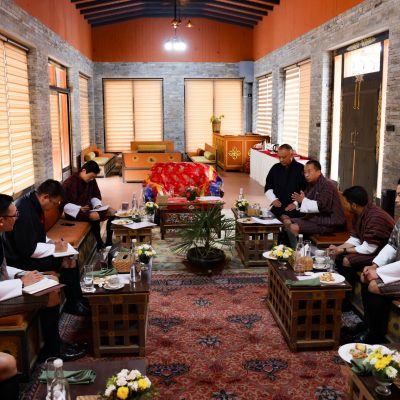
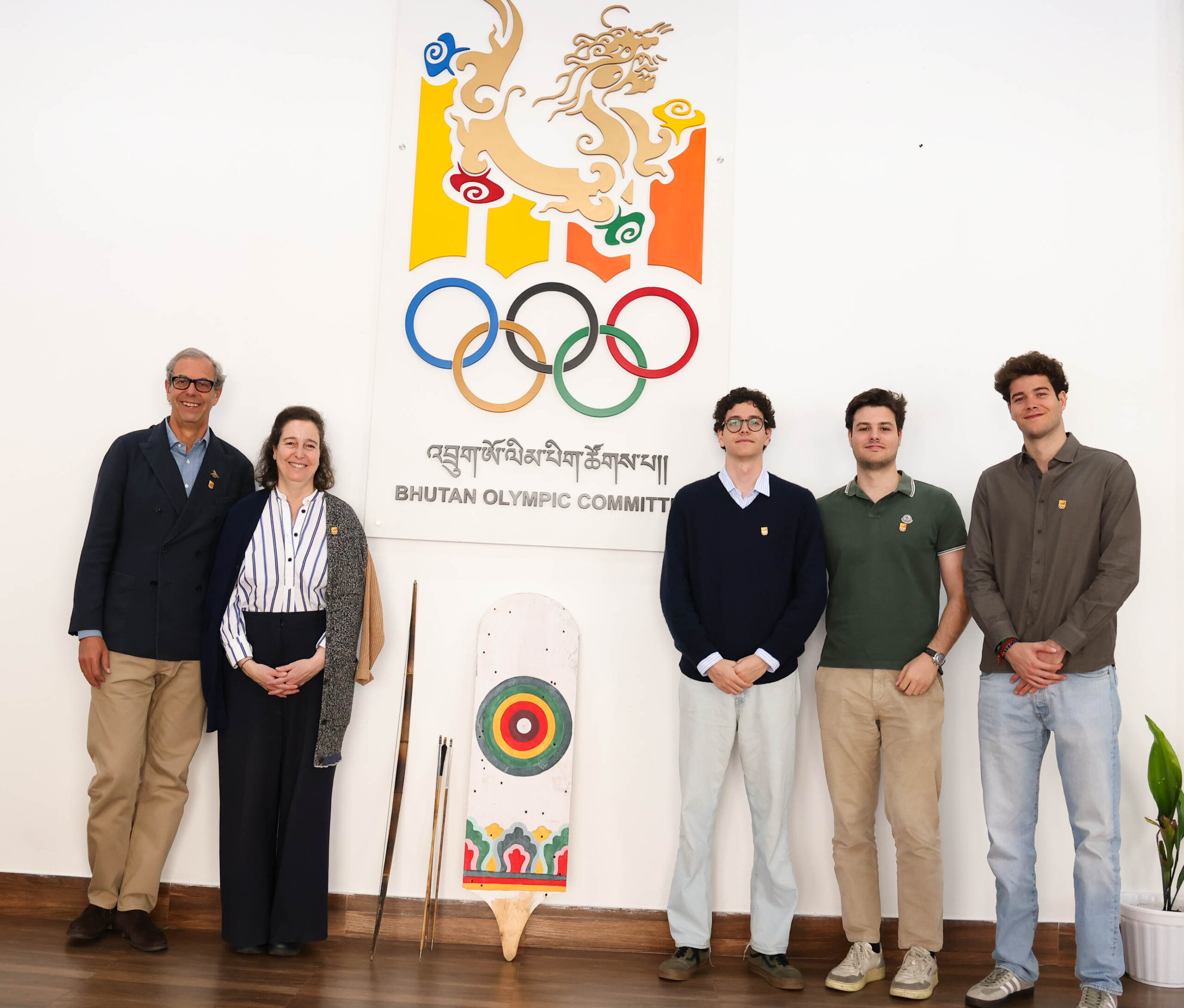
This morning, the boardroom at the Bhutan Olympic Committee in Thimphu felt unusually warm, not because of the coffee, but because of the stories that slowly began to fill the space.

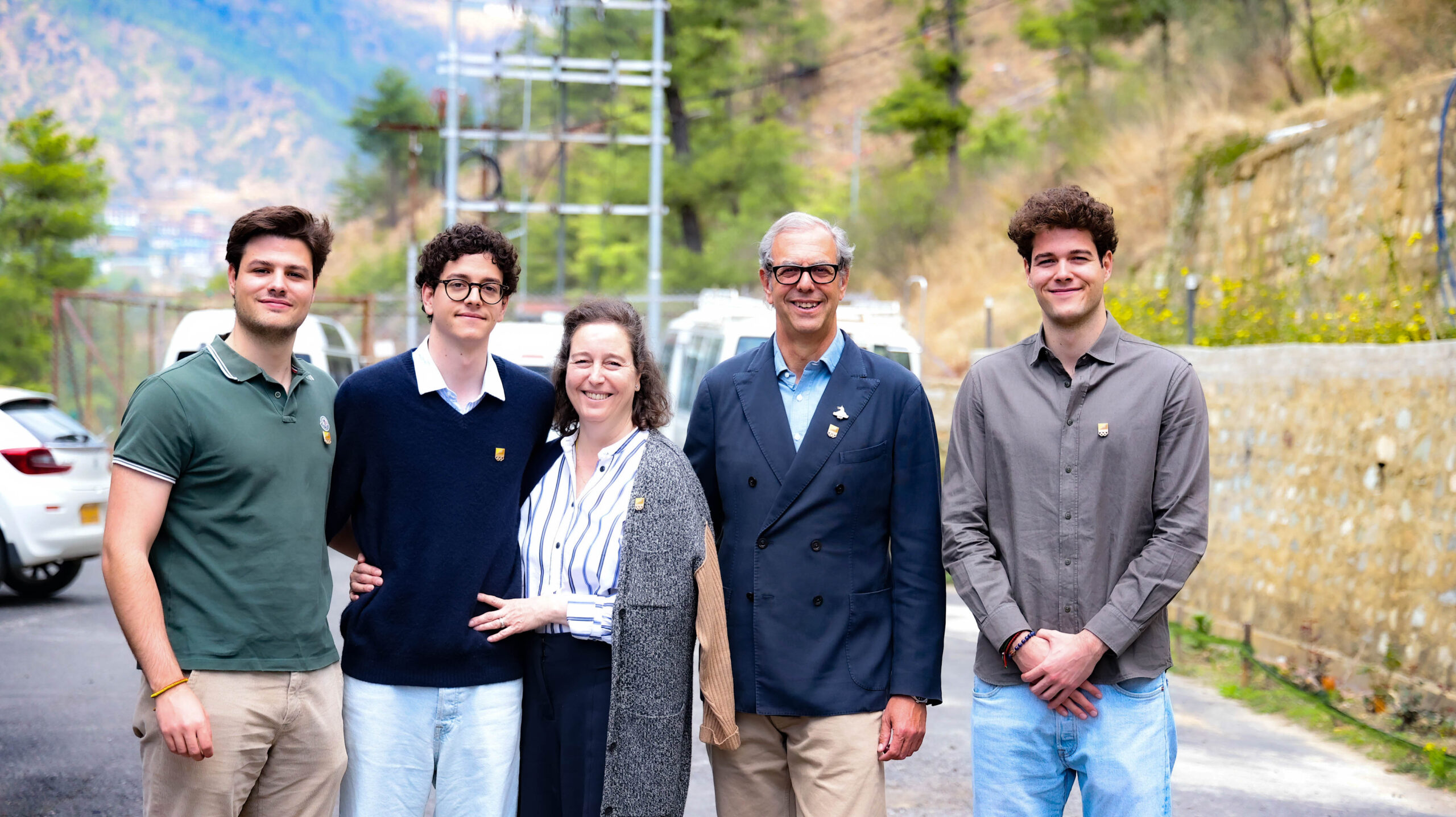
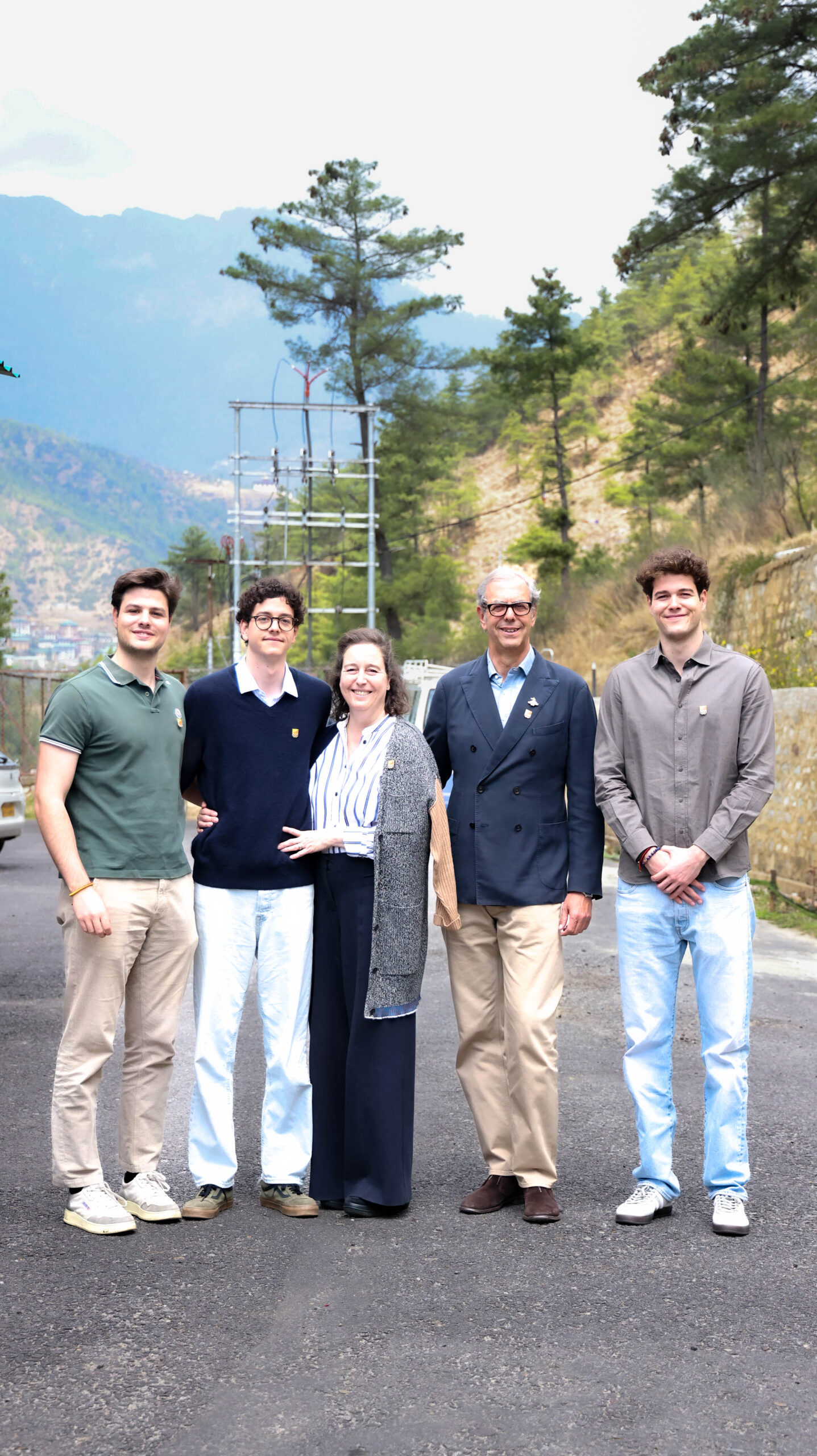
Across the table sat Luis Sans, his wife Sandara, and their three sons. There was no formality in the room, no sense of interview or occasion. Just a family, a few cups of coffee, and a conversation that had quietly travelled across thirty years to arrive here.
613933051 1423609322463341 4765143781547217487 n

Luis did not begin with facts. He began with a smile. Not a passing smile, but one that seemed to belong somewhere else, another time. He noticed it himself and said, almost as if thinking aloud, that it was the same smile he had in 1992. Back then, Bhutan was only a place he had heard about, a name that stayed with him without reason or explanation. Visiting was not easy in those days. Plans were made and cancelled, routes were complicated, and eventually, he stopped trying. But he did not forget.

Somewhere along the way, the 1992 Summer Olympics arrived in his hometown of Barcelona, and like many others, he wanted to be part of it. He reached out, offering his time, not knowing where it might lead. For a while, it led nowhere.
When the Olympic Flame Became a Lifetime Bond with Bhutan

And then, without warning, it led to Bhutan. He was asked if he would serve as the protocol and liaison officer for a country he had never seen but somehow already felt connected to. He said yes immediately. Not carefully, not cautiously, but completely.

There were no quick replies in those days. He sent his answer by fax and waited. When the confirmation came through, it carried with it something more than responsibility. It carried anticipation. The next message he received asked for his measurements so that a Bhutanese national dress could be prepared for him. He laughed as he recalled the exchange, especially the reaction to his height. When the Gho arrived, it felt unfamiliar in every way, yet he held onto it with curiosity, as though it was the beginning of understanding something he had yet to experience.

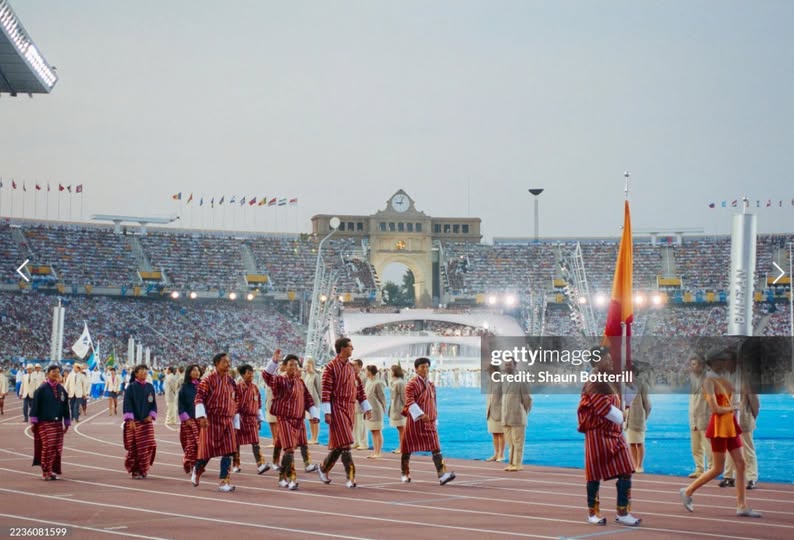
By the time the 1992 Summer Olympics opened at the Estadi Olímpic Lluís Companys, Luis was no longer just a volunteer. He had become part of a small team carrying a country onto one of the world’s largest stages.

When the Olympic Flame Became a Lifetime Bond with Bhutan

Bhutan arrived quietly, without noise or expectation, represented by six archers who carried themselves with a calm sense of purpose. Luis remembered them not as participants in a schedule, but as individuals, each with a presence that stayed with him long after the Games ended.

Some of the moments he shared were not the ones you would expect from an Olympic story. They were smaller, almost accidental. Like the time he invited the Bhutanese officials, including Lyonpo Dawa Tsering, to stay at his home, only to later realise that their hotel bookings had not been cancelled. What followed was a quiet scramble, a series of explanations, and an attempt to fix something that had already happened. He laughed as he told it, not because it was amusing at the time, but because it was real.

It was in those moments, somewhere between responsibility and mistake, that something shifted. The distance between host and guest disappeared. What remained was something simpler.

A connection. Later that same year, in October, he finally arrived in Bhutan. When he spoke about it, his voice changed slightly, as if the memory asked for a different kind of attention. He did not try to describe it in detail. He simply said that something felt right.

There are places that impress you, and then there are places that stay with you. For him, Bhutan was the latter.

Years passed. Life moved forward. But Bhutan remained, not as a memory that fades, but as something that quietly returns.

Before he got married, he told Sandara that their honeymoon would be in Bhutan. It was not presented as an idea, but as something already decided. Sitting beside him today, she smiled at the memory, her expression carrying both amusement and understanding. She said yes, and when they made that journey together, it became hers as well. 

She spoke gently, but with certainty, about what Bhutan meant to her. Not just the landscape or the atmosphere, but the feeling of being somewhere that had not rushed to become something else.

Over time, their visits became part of their lives, not frequent, but meaningful. And this year, as they marked their 25th wedding anniversary, they returned once again, this time with their three sons. At one point in the conversation, almost casually, Sandara mentioned that they had given their sons Bhutanese names. Felix is now Dawa, Bruno is Karma, and Lorenzo is Nima. The boys smiled, slightly shy, as if still growing into those names.

It was not a grand gesture. It was something quieter than that. Something that suggested that Bhutan was no longer just a place they visited, but something that had found its way into who they are. Luis spoke about the stories he had shared with his sons over the years, stories of people, of moments, of a country that had shaped him in ways he had not expected. Now, watching them experience it for themselves, those stories seemed to settle into something more complete.

The conversation moved gently, without direction, touching on Bhutan’s beauty, its pace, its people. They spoke with admiration for His Majesty, not in grand statements, but in quiet appreciation of leadership that feels close to its people.

When the Olympic Flame Became a Lifetime Bond with Bhutan

Before we realised it, the coffee had gone cold. What remained in the room was not just a story about the 1992 Summer Olympics, but something far less definable and far more lasting. A moment that had extended itself across years, across places, across a family. There was no clear point where it all became meaningful. It did not arrive all at once. It happened slowly, through small decisions, through unexpected moments, through a simple willingness to say yes.

As they prepared to leave, there was a quiet sense that nothing about this connection felt accidental. Somewhere between a fax sent in 1992 and a morning in Thimphu decades later, a story had continued without effort, without intention, simply by being lived. And perhaps that is what the Olympic spirit looks like when it is no longer in the stadium. Not something you  watch. Something you carry.

Bhutan Charts a Fresh Path in Sports Leadership

Curious to know who’s shaping the future of sports in Bhutan? Meet the full executive board here

fp1nkrxozm0zvbic74oo removebg preview

THE National OLYMPIC PARTNERS

OUR Official CARRIER

OUR kITS PARTNER

OUR Liason PARTNER in japan

School Sports Development Partner

Our Insurance Partner

Our Institutional Partner

images 2 removebg preview

THE WORLDWIDE OLYMPIC PARTNERS

Screenshot 2025 08 29 213141