Match Scenario Training Becomes Key for Bhutan Men’s Cricket Team

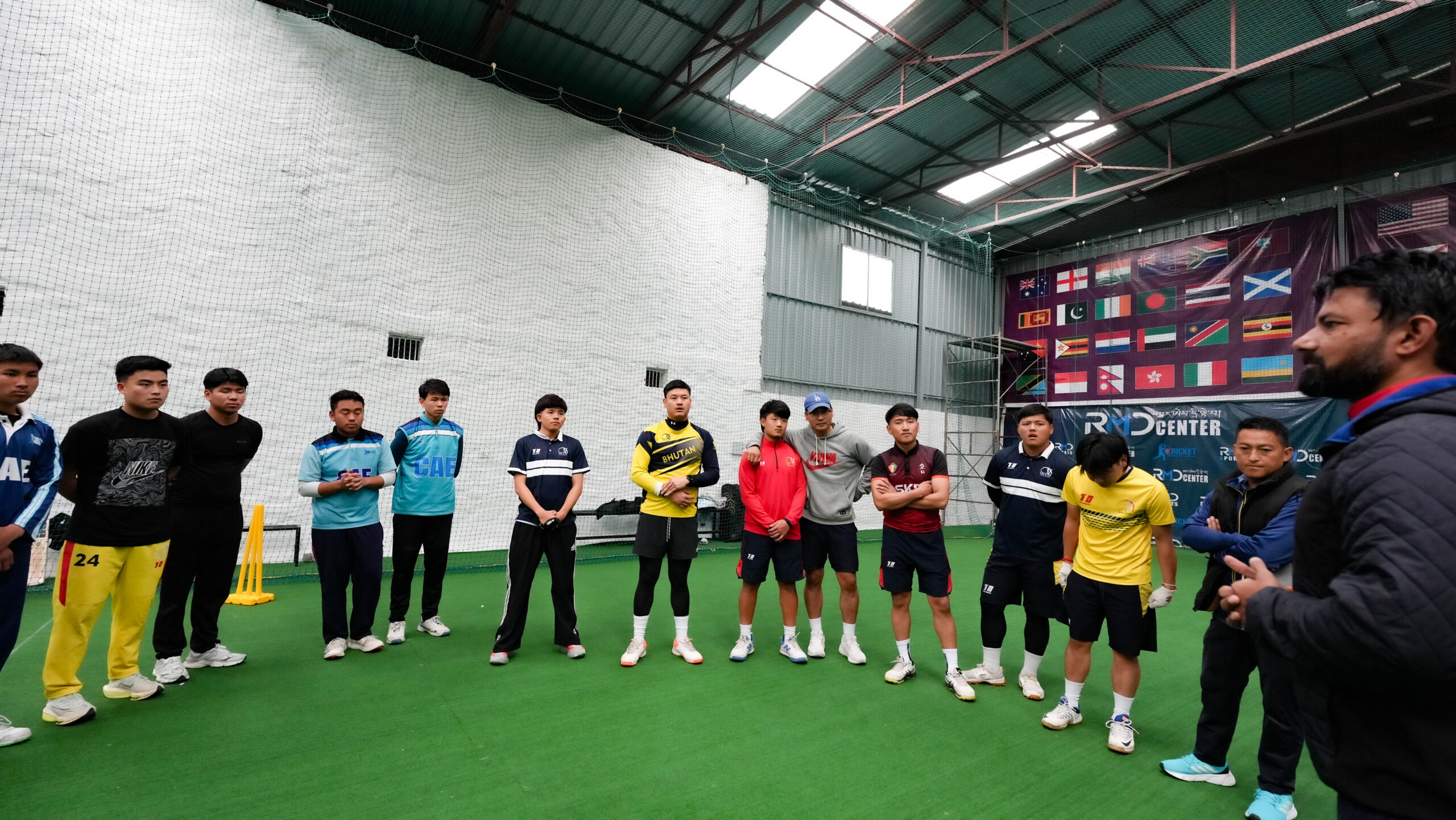
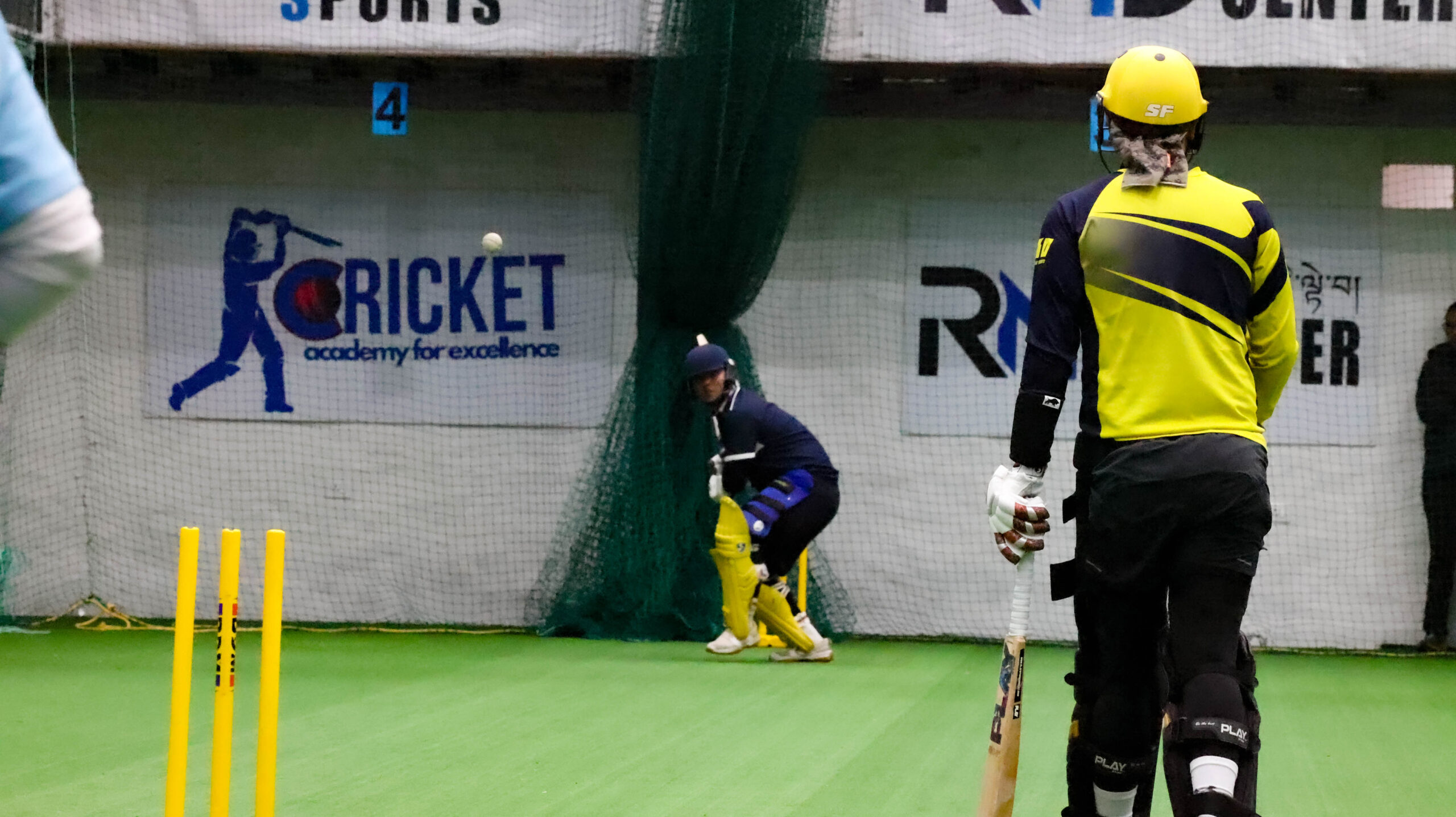
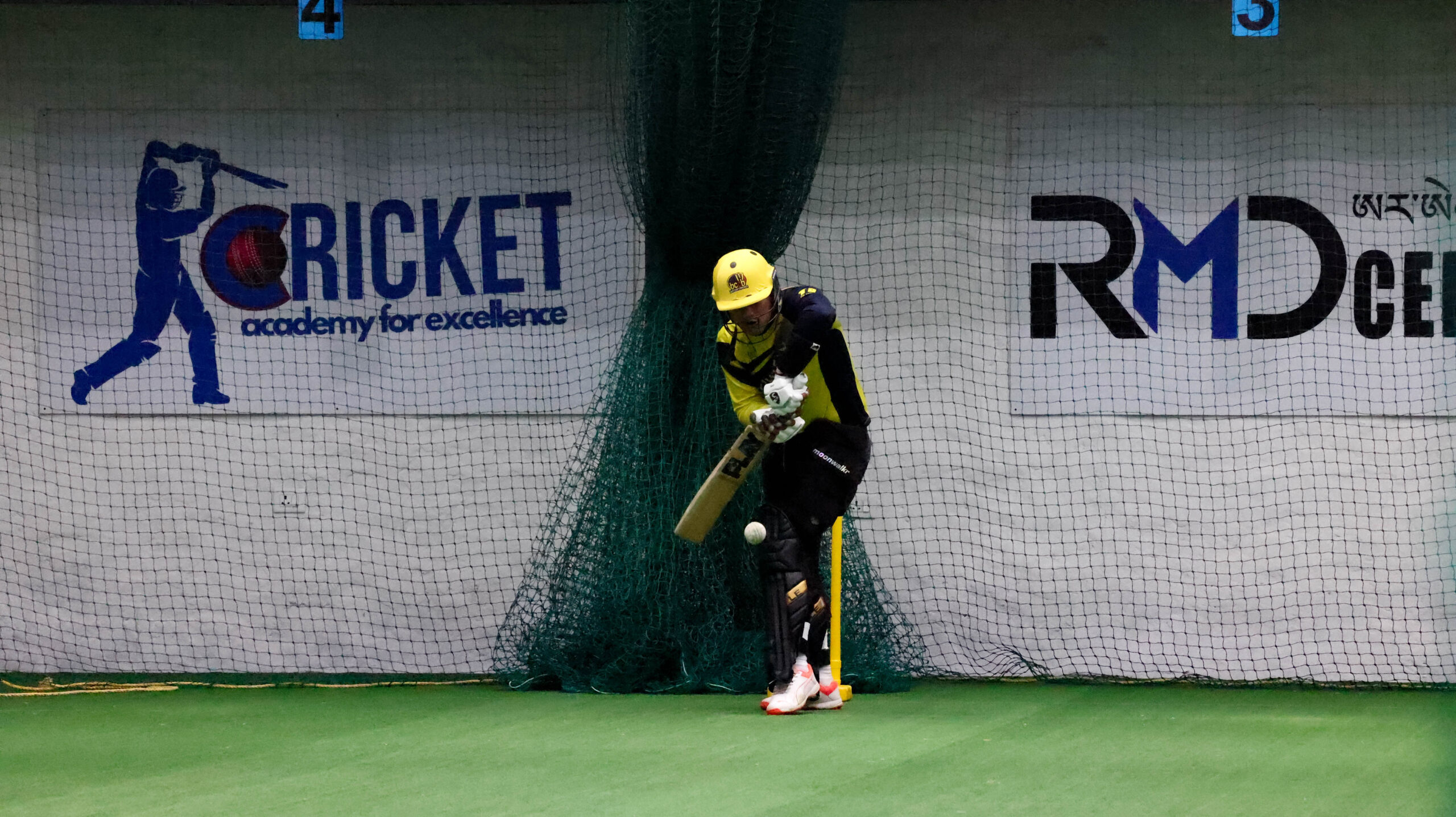
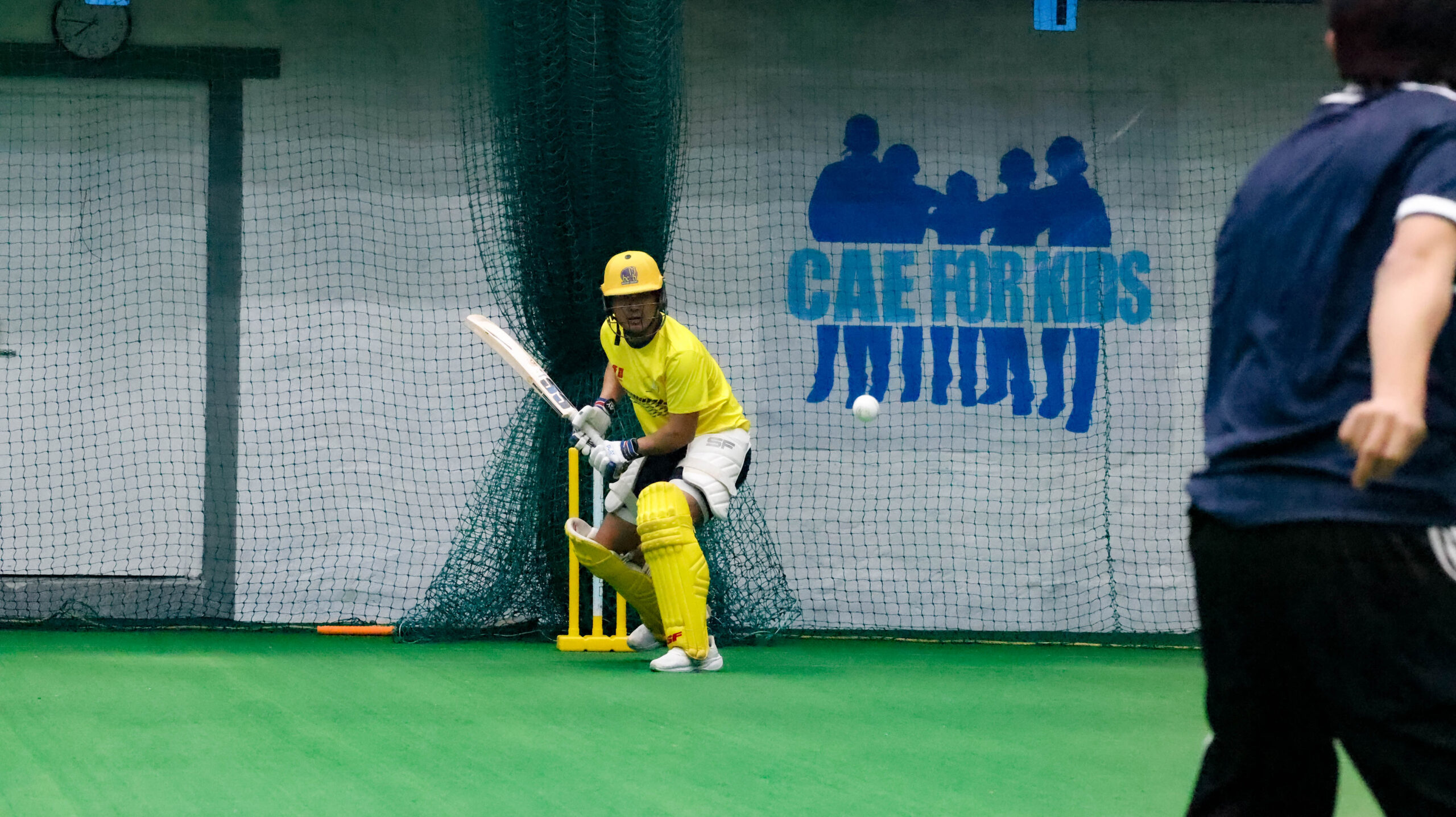
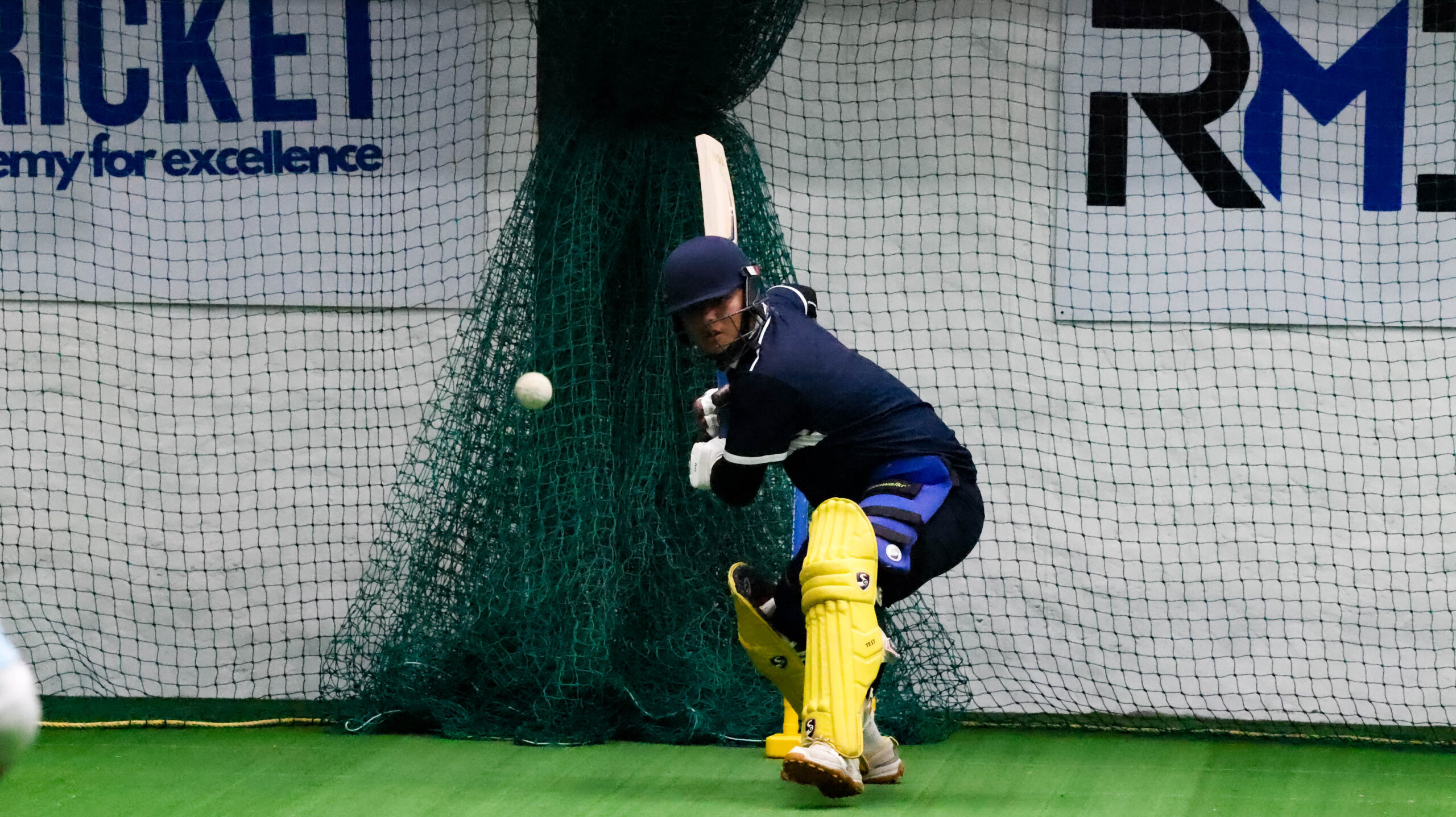
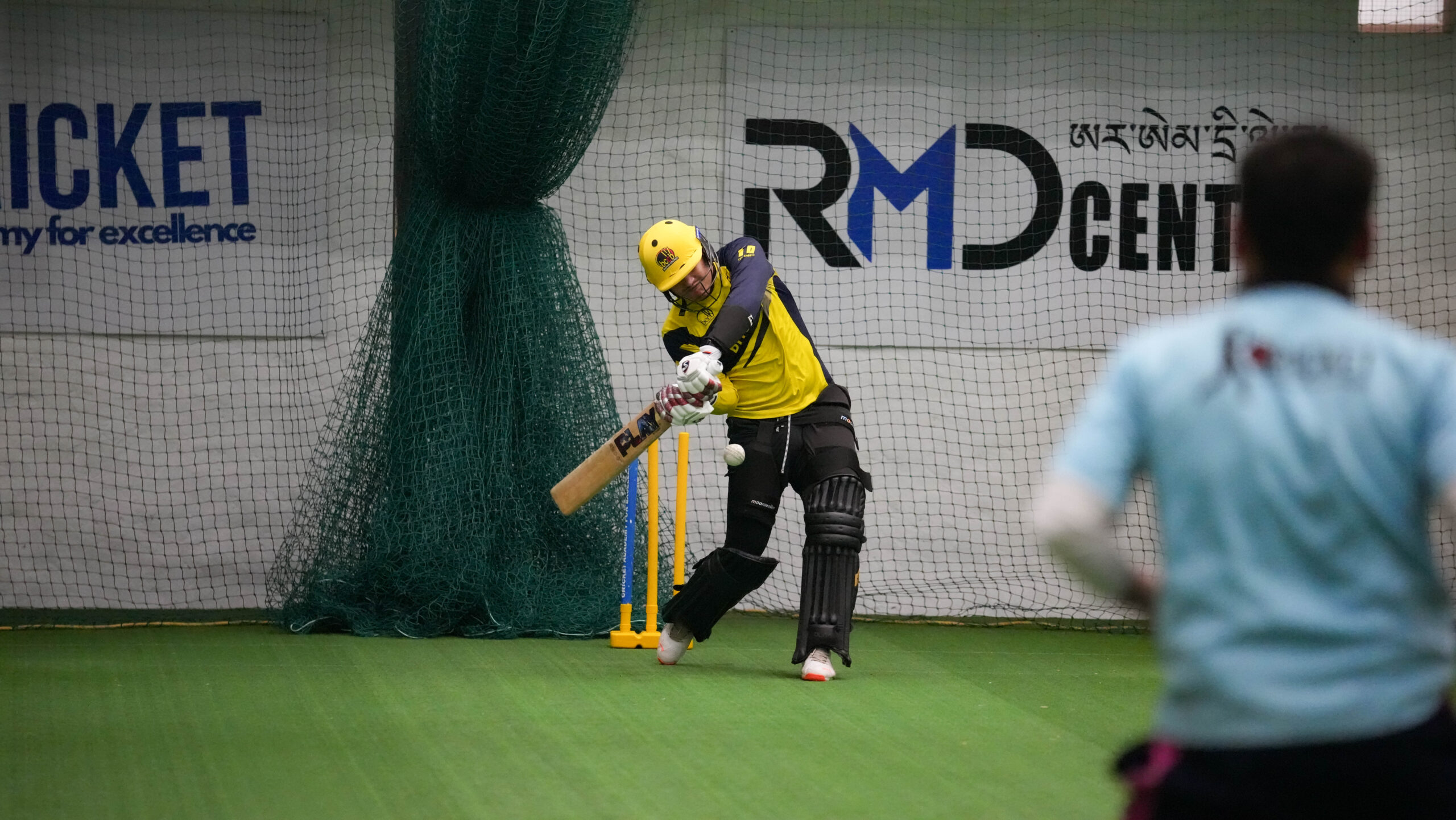
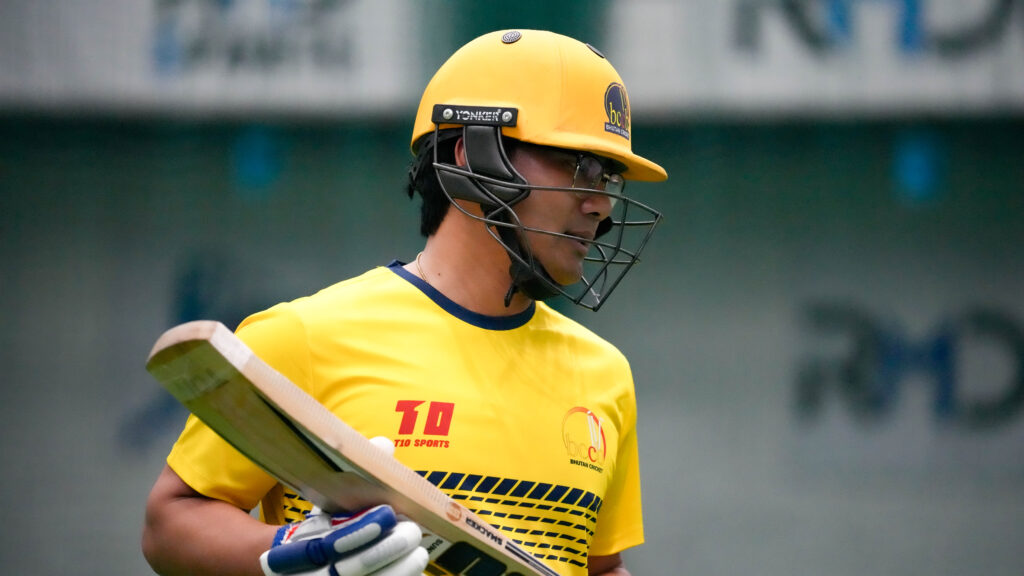
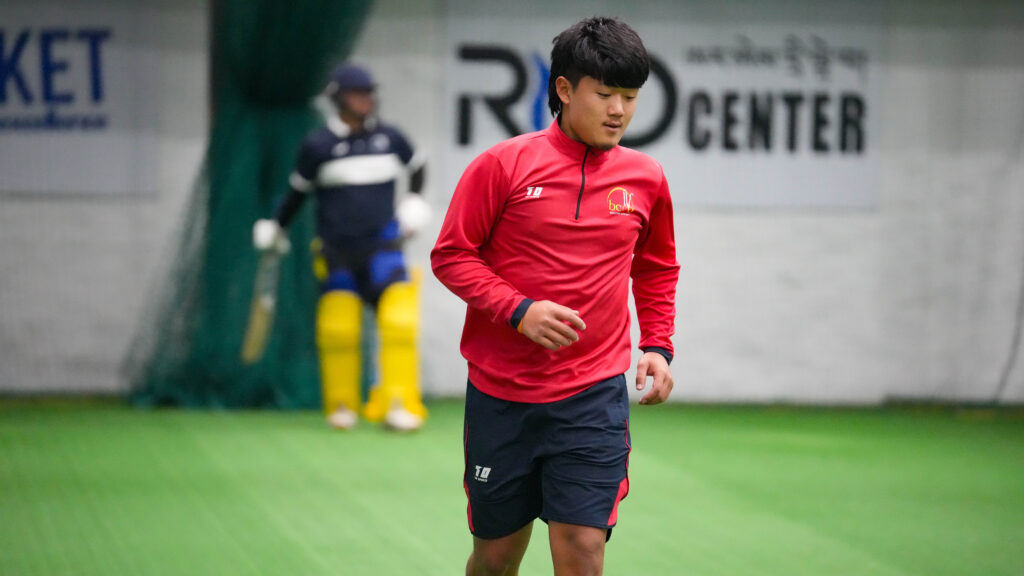
Inside the RMD Centre in Babesa, the session had already shifted gears. A batter walked in with a simple brief. Thirty runs needed. Three overs left. Field spread. Bowlers on top. No second chances. What followed was not just shot selection, but hesitation, recalculation, a misread, a recovery. Voices from the sideline stayed quiet. The decision had to come from the middle. That moment, more than any drill, explained what Bhutan Cricket is trying to build.

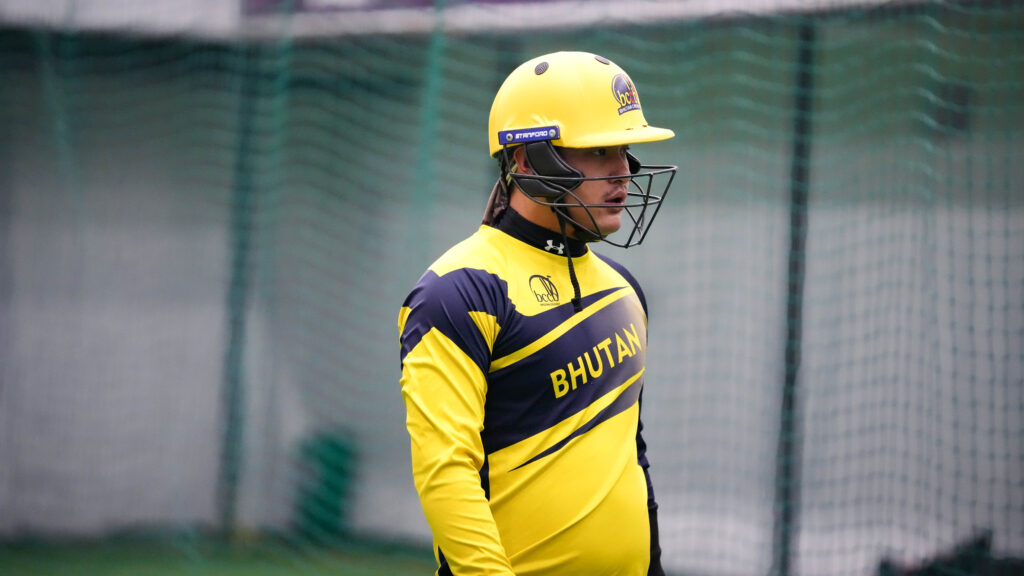
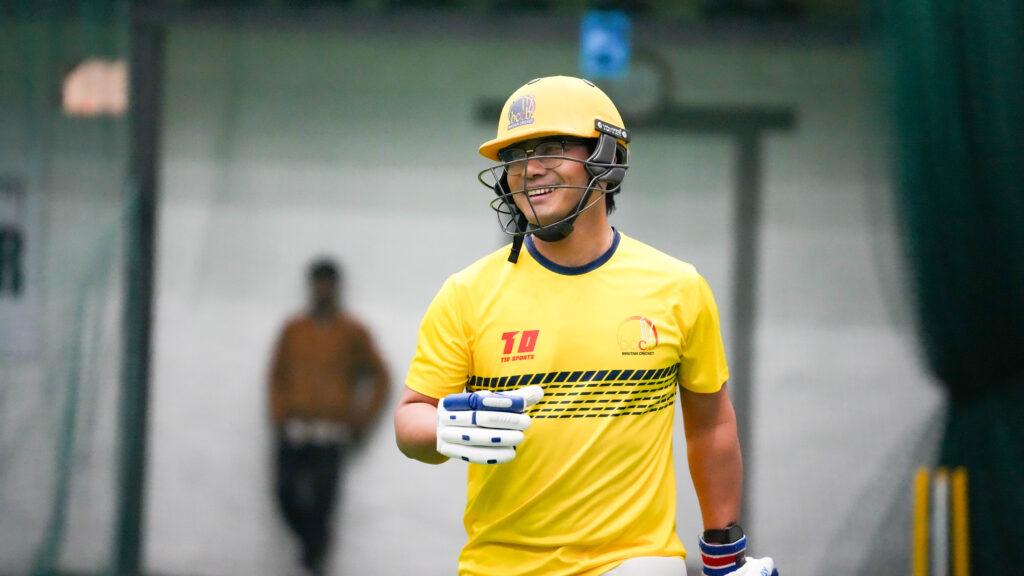
The Bhutan Men’s Senior Cricket Team, fresh from a positive international run that included wins over Myanmar and Thailand, has already shifted its focus to the upcoming Bhutan India Friendship Association Tournament. But what stood out today was not just the intensity of preparation, it was the structure and intent behind the training itself.

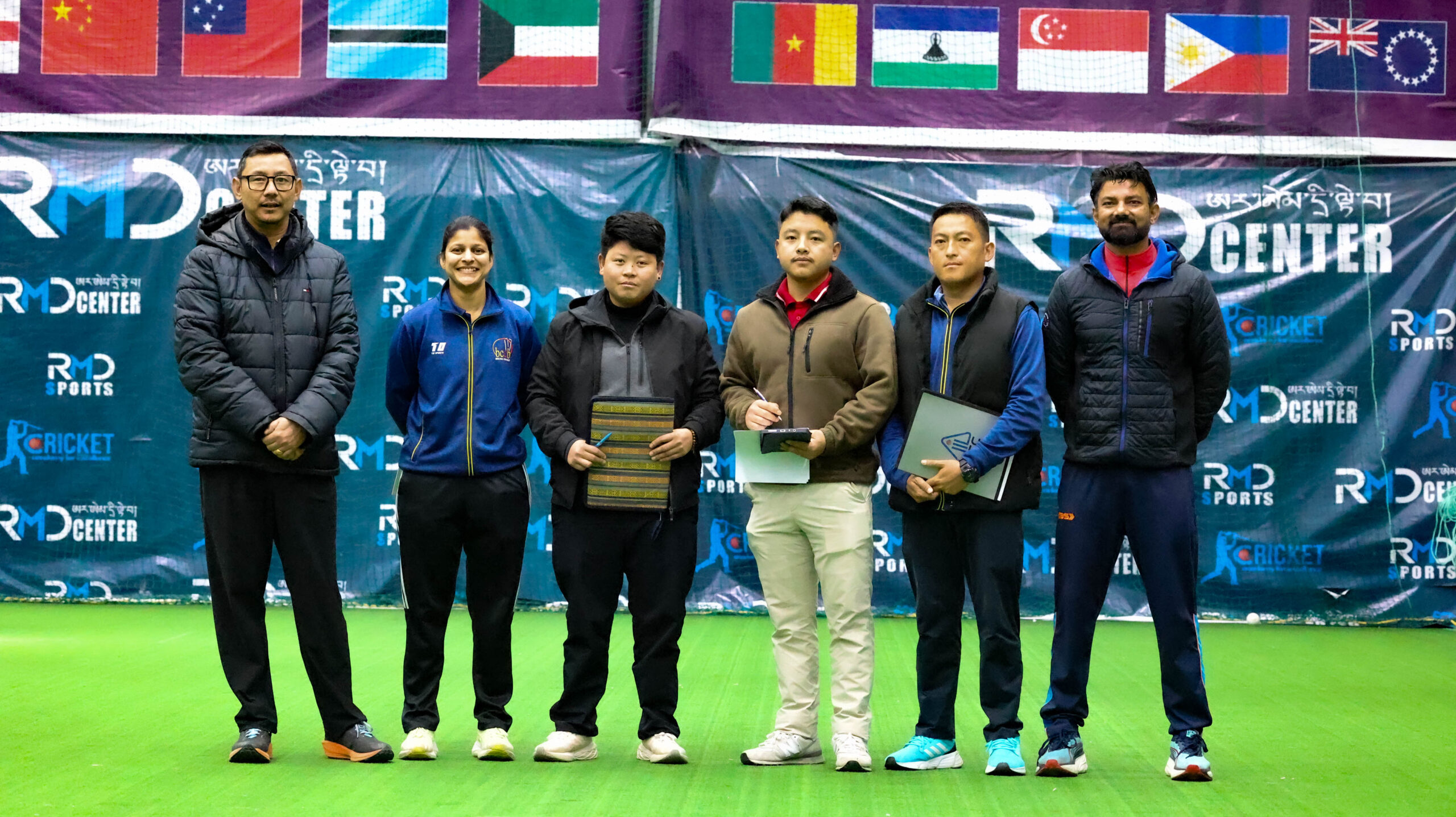
Alongside the regular nets session at the RMD Centre in Babesa, the team has now formally introduced a new training layer, a “match scenario” or “response to situation” block, initiated by CEO Mr. Damber S. Gurung, an ICC certified coach educator and former national captain and coach. And today, that concept was seen in full action.

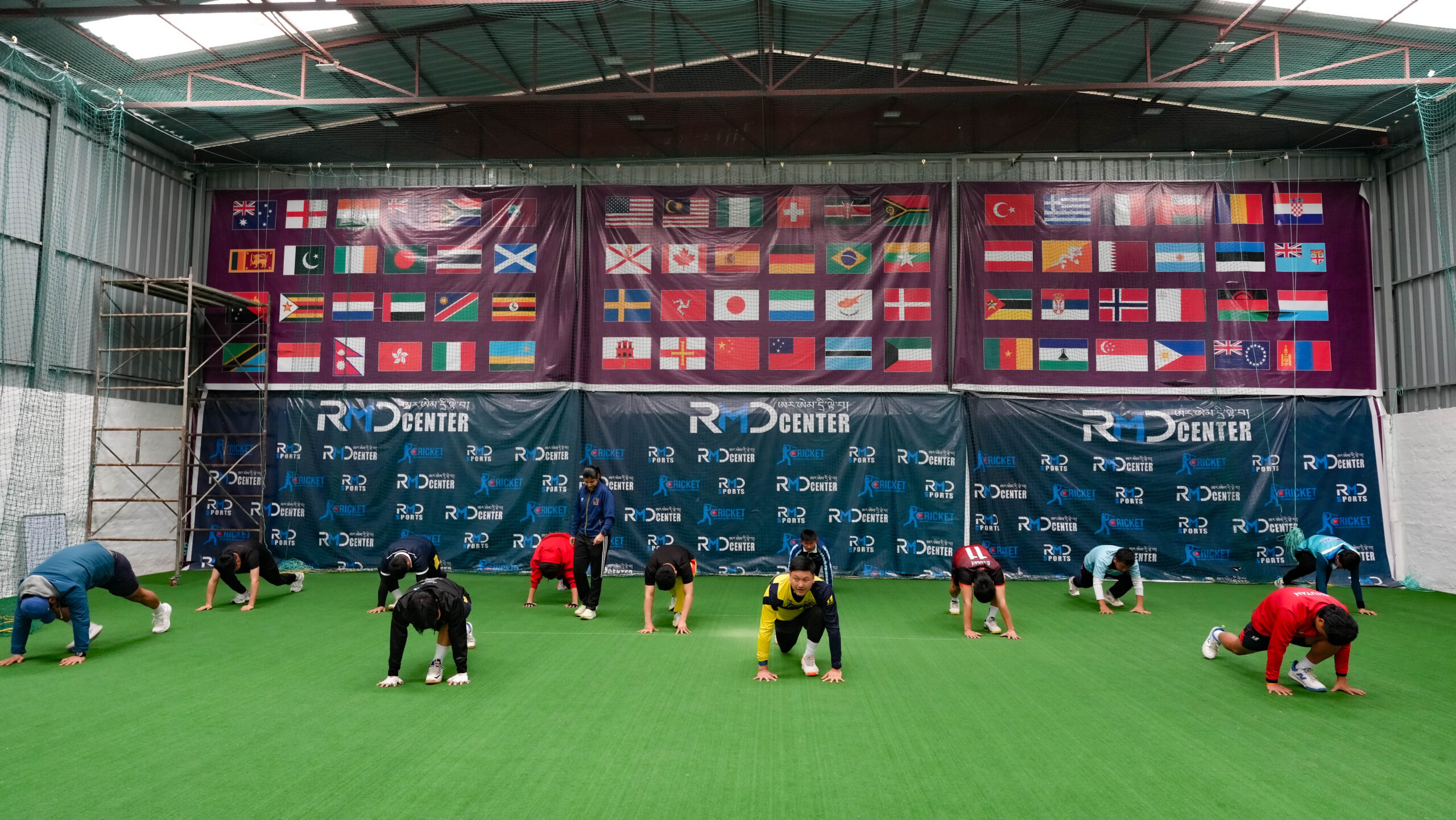
For two hours over the weekend, the entire performance group, players, coaches, technical staff, and leadership, operated inside a shared training environment. The session immediately moved away from repetition based drills and into live decision making situations that closely resembled match reality.

Coaches and technical staff created structured scenarios such as collapsing innings, high pressure chases, required run rate calculations, and tactical field restrictions. But the real shift was not in what was created, it was in how players were expected to respond.

Players were not simply executing skills. They were interpreting conditions, reading the game, communicating under pressure, and making decisions in real time. Every delivery carried context. Every phase demanded awareness and adaptation.
2R8A0394 scaled
DSC08986 scaled
DSC08988 scaled

What Bhutan Cricket is introducing here is not happening in isolation. It reflects a growing global direction in high performance sport science.

Recent research in skill acquisition and performance science strongly supports a move away from isolated repetitive drills toward what is known as “representative learning design”, training environments that closely replicate the perception, pressure, and unpredictability of real competition. A 2023 review published in Frontiers in Psychology highlights that athletes develop stronger decision making ability when exposed to realistic, constraint driven scenarios that simulate game conditions rather than controlled repetition alone (Pinder et al., 2023, Frontiers in Psychology).

Similarly, research compiled in the National Library of Medicine (PMC) emphasizes that perceptual cognitive skill, the ability to read cues, anticipate outcomes, and respond under pressure, improves significantly when training is designed around game like complexity rather than isolated technical execution (PMC10504147, 2024).

This approach is already being implemented across elite sport systems globally. International cricket programs, top European football academies, and high performance rugby environments in New Zealand and Australia have increasingly adopted “game realistic constraint training”, where coaches manipulate conditions such as score pressure, time limits, fatigue, and tactical restrictions to recreate match intensity.

2R8A0460 scaled
2R8A0446 scaled
2R8A0429 scaled
2R8A0458 scaled

The goal is no longer just technical perfection. It is decision making under uncertainty. Bhutan Cricket’s training today clearly reflected that philosophy.

Coaches and technical staff were not passive observers. They were actively engaged in designing each scenario, defining not only the challenge but the intent behind it. What constitutes a good decision in this phase, what risks are acceptable, what tactical objective is being tested. In doing so, coaching shifted from instruction to design thinking, building environments rather than simply delivering drills.

One of the most interesting layers of today’s session was the inclusion of behavioural observation. A member of the support staff was assigned specifically to track player mindset, how individuals reacted after setbacks, how quickly they reset, and how they communicated under stress. This reflects another key finding in modern sport science, that emotional regulation and cognitive stability are as important as technical skill in determining performance outcomes under pressure.

CEO Damber S. Gurung remained actively involved throughout the session, guiding reflection between scenarios and ensuring that discussions focused not only on outcomes but on decisions and intent. This created a continuous feedback loop, similar to what elite systems now describe as “live learning environments.”

The involvement of Women’s Senior Team Head Coach Arzoo Raj added further value, particularly in terms of shared learning across programs. National Strength and Conditioning Coach Manasi Patwardhan also highlighted how this format allows a far more accurate understanding of physical output, not in isolation, but under true match stress and fatigue conditions.

DSC09047 scaled
DSC09055
DSC09066
DSC09079
DSC09062

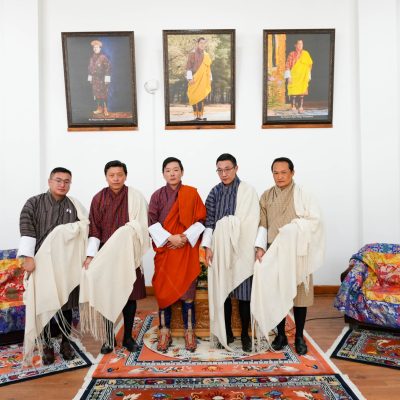
Bhutan Charts a Fresh Path in Sports Leadership

Curious to know who’s shaping the future of sports in Bhutan? Meet the full executive board here

fp1nkrxozm0zvbic74oo removebg preview

THE National OLYMPIC PARTNERS

OUR Official CARRIER

OUR kITS PARTNER

OUR Liason PARTNER in japan

School Sports Development Partner

Our Insurance Partner

Our Institutional Partner

images 2 removebg preview

THE WORLDWIDE OLYMPIC PARTNERS

Screenshot 2025 08 29 213141