This initiative goes far beyond basic compliance or formality. At its core, it asks an urgent and fundamental question: How can we prevent harm before it happens? Safeguarding in sport is not about reacting after a crisis—it is about creating systems that identify risks early, stop abuse before it begins, and empower athletes to speak up without fear of retaliation.
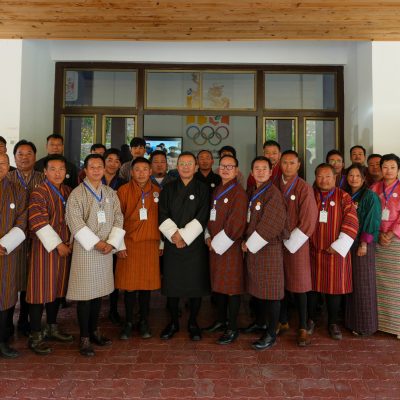
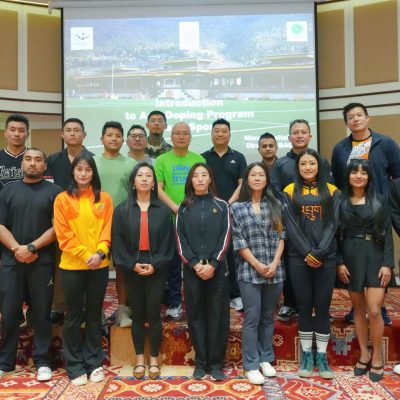
Throughout the sessions, participants are being taken through real-life scenarios and discussions on how to detect the subtle signs of abuse or harassment, how to intervene effectively, and how to establish reporting mechanisms that athletes can trust. The emphasis is on protection through prevention—building a culture where athletes feel supported, where concerns are addressed promptly and confidentially, and where safeguarding becomes an integral part of the sporting ethos.
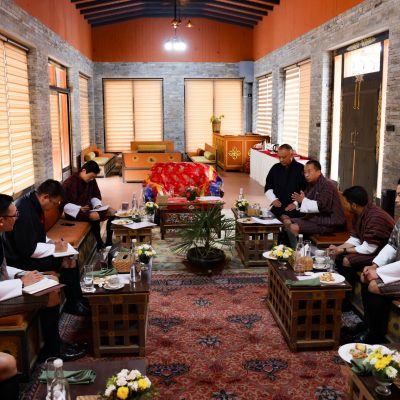
Ms. Sonam Yangchen, Chair of the Gender Equity Commission, opened the workshop with a message that resonated deeply with the room:
“Prevention is the cornerstone of safe sport,” she said. “True protection is proactive. It starts with education, with open conversations, and with the courage to challenge harmful norms. Every coach, every official, every parent must take ownership. We must create a sporting culture where silence is never an option, where speaking up is seen as strength, and where every athlete feels they belong in a safe and respectful space.”
She is joined by Mr. Tshering Penjor and Ms. Tshering Wangmo, both IOC-certified safeguarding officers, who are leading sessions designed to equip participants with practical tools to implement safeguarding measures within their organizations.
Significantly, this is not a one-off effort. Each participating federation has committed to conducting at least two safeguarding programs by the end of the year, ensuring the principles learned here ripple outward into every team and community. This proactive mandate is crucial—it ensures that safeguarding is not just a topic of discussion but a sustained practice embedded in the fabric of Bhutanese sport.

The importance of this initiative cannot be overstated. Around the world, safeguarding has moved from a recommendation to an urgent necessity, following widespread reports of abuse across various sporting disciplines. Bhutan’s decision to prioritize this issue reflects a growing understanding that sporting success must never come at the cost of athlete well-being.
It is a collective promise—a pledge that Bhutan will pursue sporting excellence without compromising the dignity, safety, and mental health of its athletes. It marks the beginning of a cultural shift, where victory is measured not only by medals but by the trust, respect, and protection given to those who make sport possible.
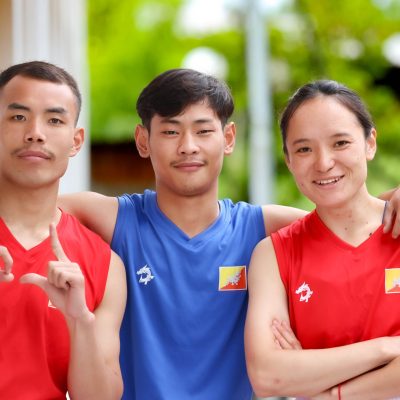
As the conversations continue into the second day—when athletes themselves join the dialogue—the hope is clear: that every sporting arena in Bhutan becomes not just a stage for competition, but a sanctuary of fairness, safety, and opportunity.